THE OPPOSITE THING
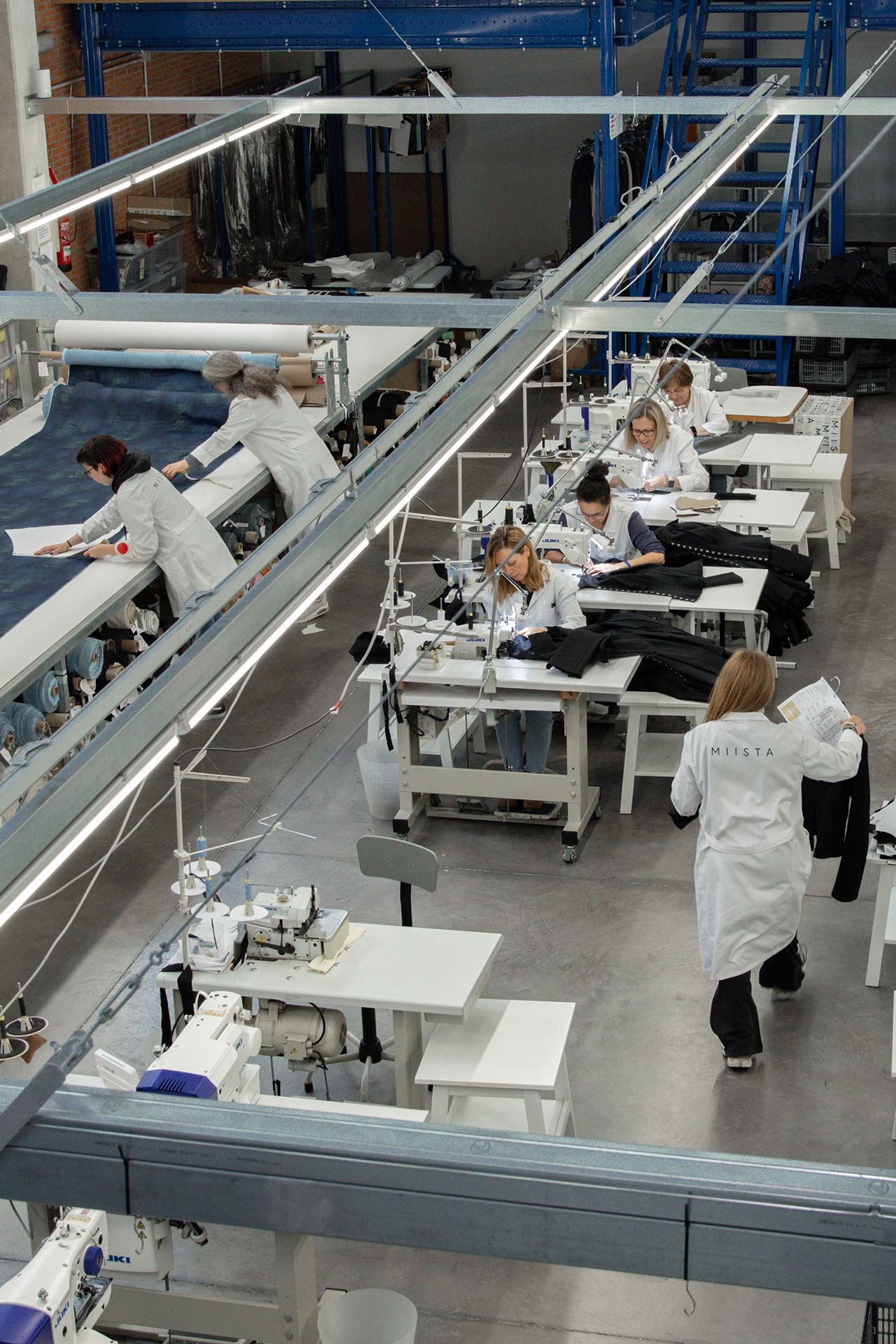
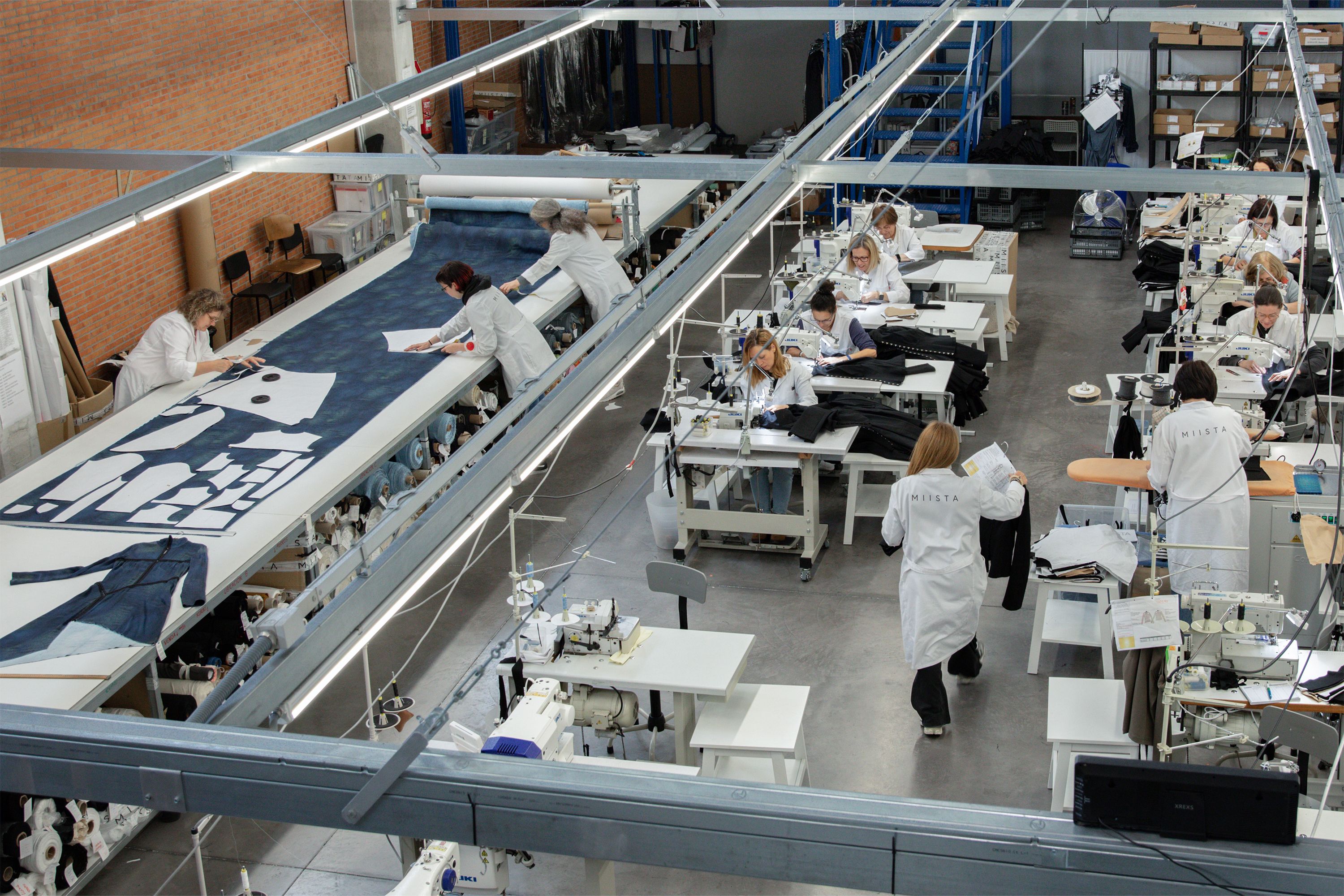
Miista handcraft footwear, clothing, and accessories with a commitment to the alternative. We're dedicated to doing 'The Opposite thing'.
WHO WE ARE
Buying stuff is sexy. Ruining the planet while you do it isn’t.
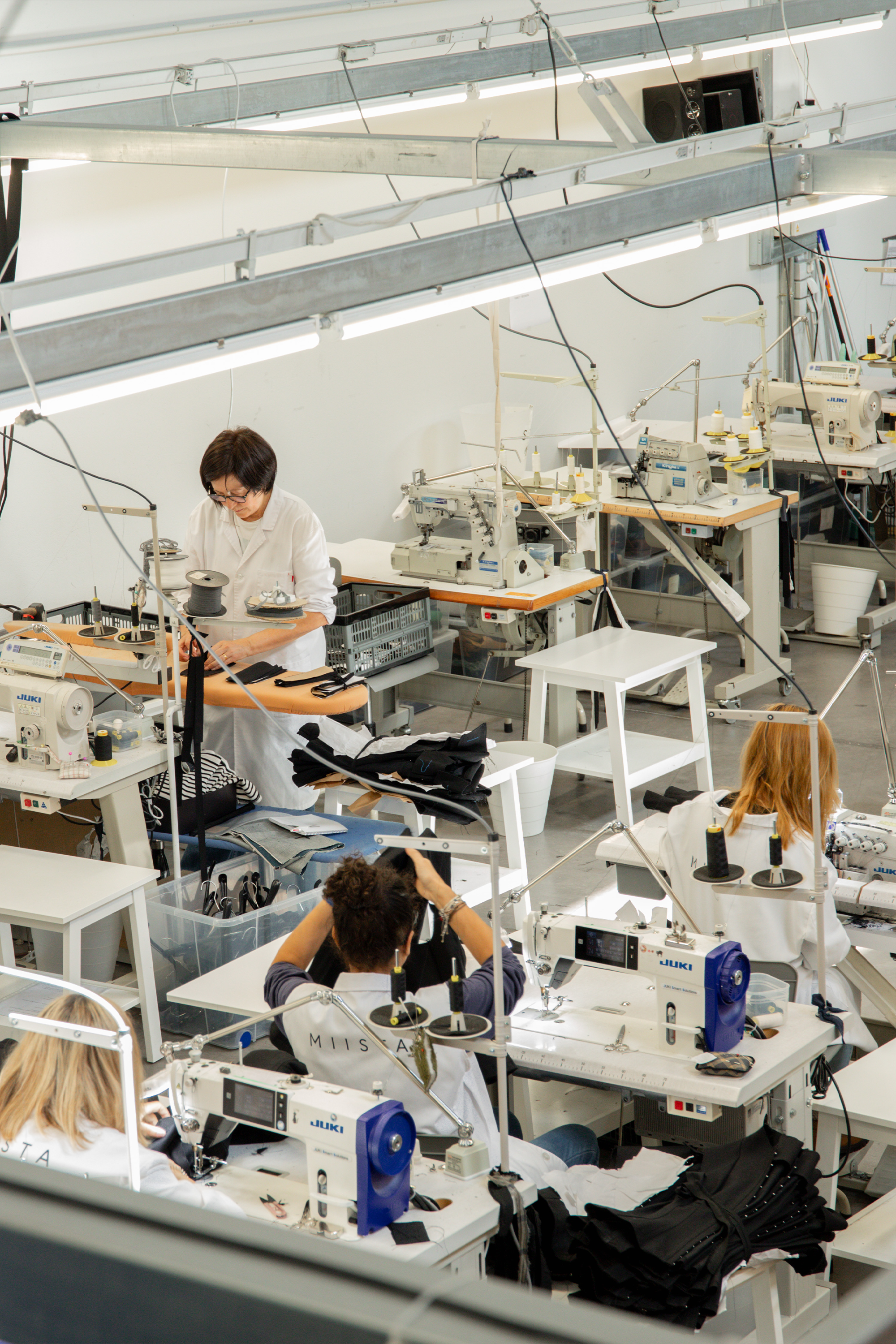
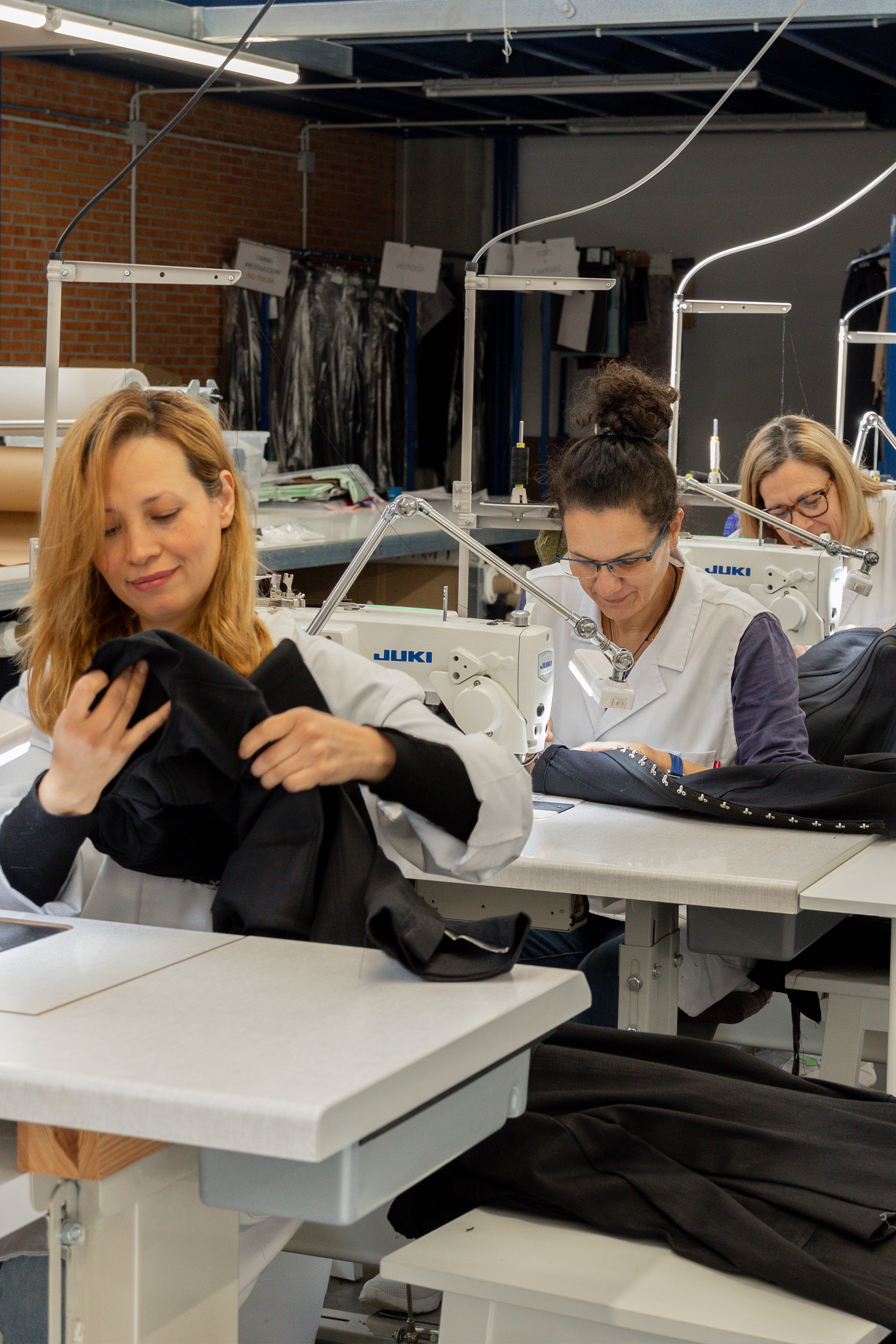
From our very own factory in Spain, and a close-knit group of artisans based in Spain & Portugal that we’ve worked with from the very beginning, we’ve always committed to doing things the opposite way.
Over the last 14 years we are proud to have built a brand that through craft, our community, the risks we’ve taken and a willingness to laugh at ourselves, has made a commitment to the alternative. A true dedication to ‘The Opposite Thing’.
But what does that mean? That we’re happy to sacrifice profit and to subvert problematic fashion trends to create a product that has personality in addition to aesthetic value. You know when it’s a Miista.
We invite you to discover Miista's Short Supply Chain:
HERE’S WHAT WE FEEL A PRODUCT NEEDS TO BE IN ORDER TO ACHIEVE ‘LUXURY’ STATUS:
It can be mended
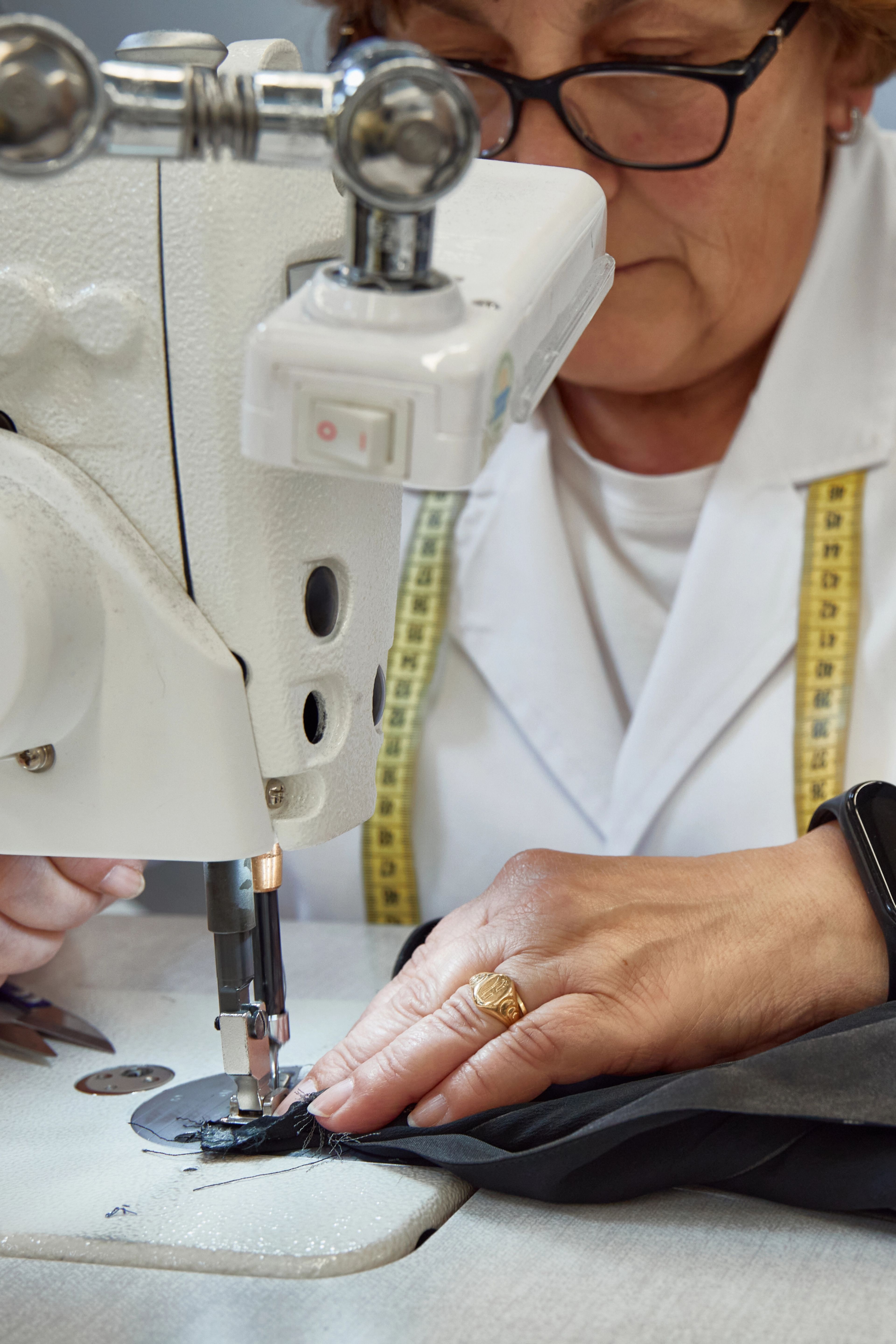
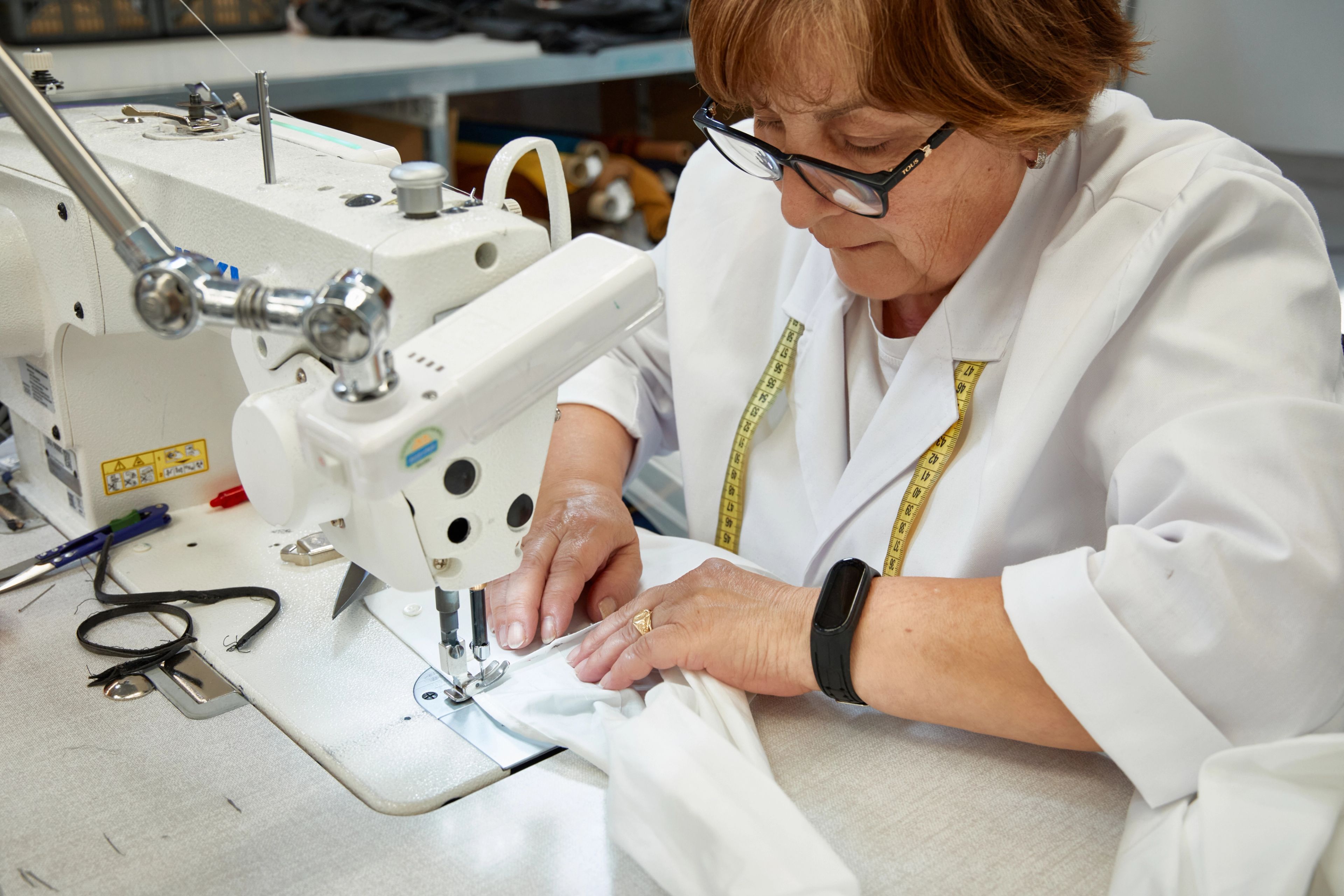
We don’t feel you can call a product a luxury item if it cannot be mended. Any piece you buy from us can be mended, either by the team who originally handcrafted it, or by a local repair expert. We believe in an artisan hand-made approach, and in investing in people over machines. Byalways working with a Short Supply Chain and our very own factory in Spain, we’re able to ensure that every stage of our design & making process is made with years of investment in training in handmade methods.
It takes time
We take our time with each and every one of our products. We spend as much time as is needed to make every single one of our items by hand. Using mass production tools would save a lot of time, but by collaborating with local artisans and taking time to discuss every part of the process, each piece is made with patience, consideration and pushes the boundary for experimentation.
The highest quality materials, without the carbon footprint
‘’I founded Miista in 2010 in East London to create shoes that were original, experimented with texture and shape, and importantly, had a democratic price point for a luxury item. At the time I felt there wasn’t enough experimentation between making a product with the highest quality European-only sourced materials, and the practice of radical shoe design. Both myself and Pablo (now not only my brother but my business partner), were brought up with the belief that you should shop less and make your belongings last for longer. We wanted to create a luxury investment item that you could own and wear forever. We grew up in the North of Spain by the Atlantic coast, an area with a history of fashion production dating back to 19th Century artisans who handmade linens — some of these artisans are our ancestors. I have always been interested in the ownership of the fashion supply chain and in 2020 we invested all of the brand’s savings into starting our own clothing factory, giving us full control over the production of our own designs. Undoubtedly the riskiest project we’ve undertaken and what has taken us closest to run this project independently in Europe.”
OUR FACTORY IN SPAIN
OUR FACTORY IN SPAIN
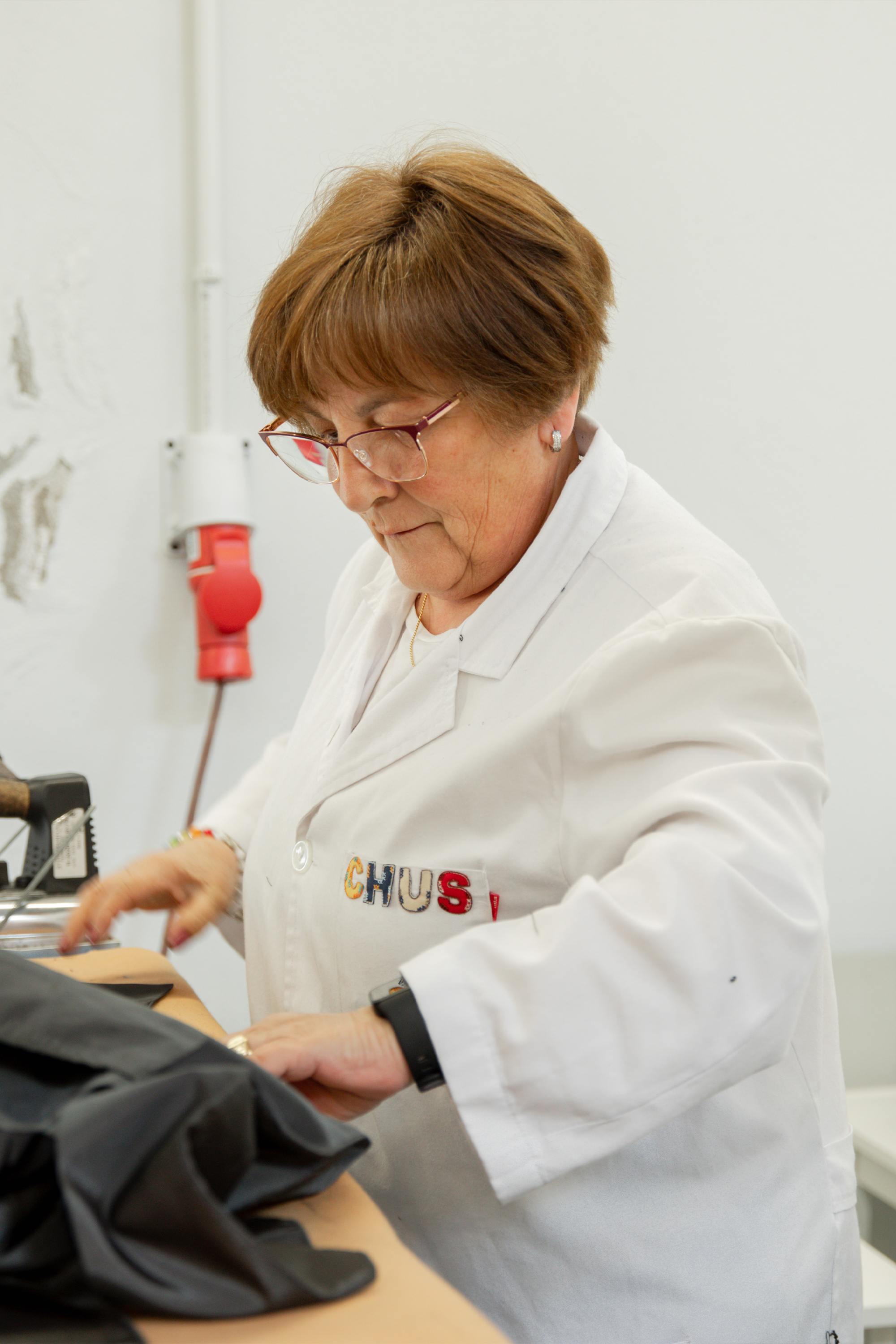
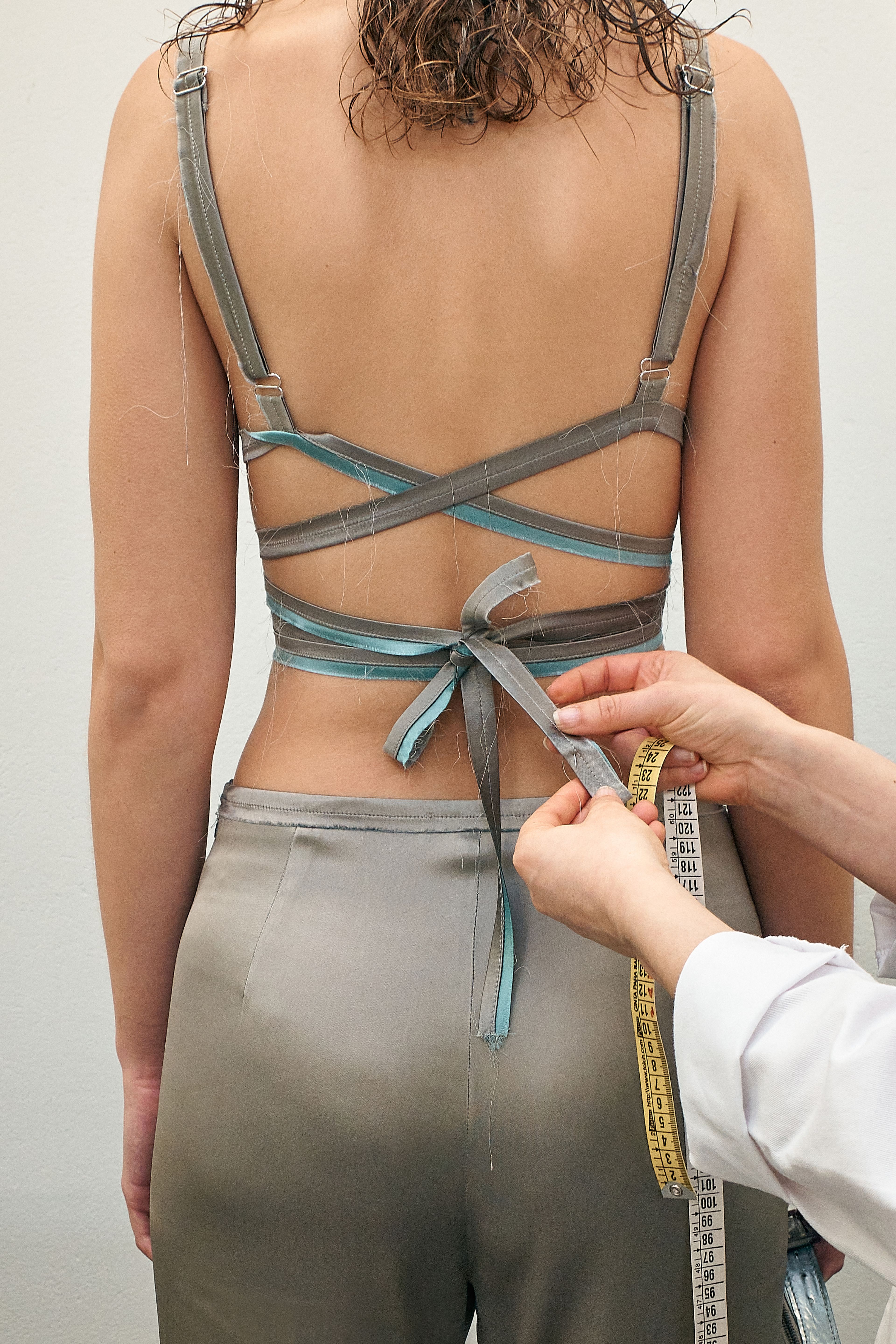
We are deeply invested in keeping the knowledge of craft alive by upskilling the next generation. That commitment led us to establish our own clothing factory in A Coruña, in northern Spain—a region with a rich but often overlooked history of artisan garment production. With industrialisation, the region resisted mass production to meet fast fashion demands, staying true to its values. But as the industry slowly faded, so did opportunities for skilled artisans who had spent years mastering their craft, often following in the footsteps of their parents and grandparents.
Bringing our clothing production to this area is our way of revitalising the ready-to-wear industry and creating opportunities for local artisans. However, in recent years, we’ve been increasingly concerned about the decline of craftsmanship, a challenge faced by many developed countries as younger generations gravitate more towards digital trade over traditional crafts. This shift threatens not just our industry but the creative community at large. At the same time, we believe that products without a cultural environment become mere commodities.
We constantly strive to cultivate a brand rooted in storytelling and creativity, where our community deeply connects with the Miista culture. We would never want Miista to become just another product—our goal is to create something truly desirable. And to desire an item, one must feel a connection to the culture and lifestyle of those who create it. This is why we work to inspire young people, showing them the beauty of making something from scratch with their hands and the importance of learning from older generations—a tradition that we believe is sacred.
OUR CONNECTION TO LONDON SINCE THE VERY BEGINNING
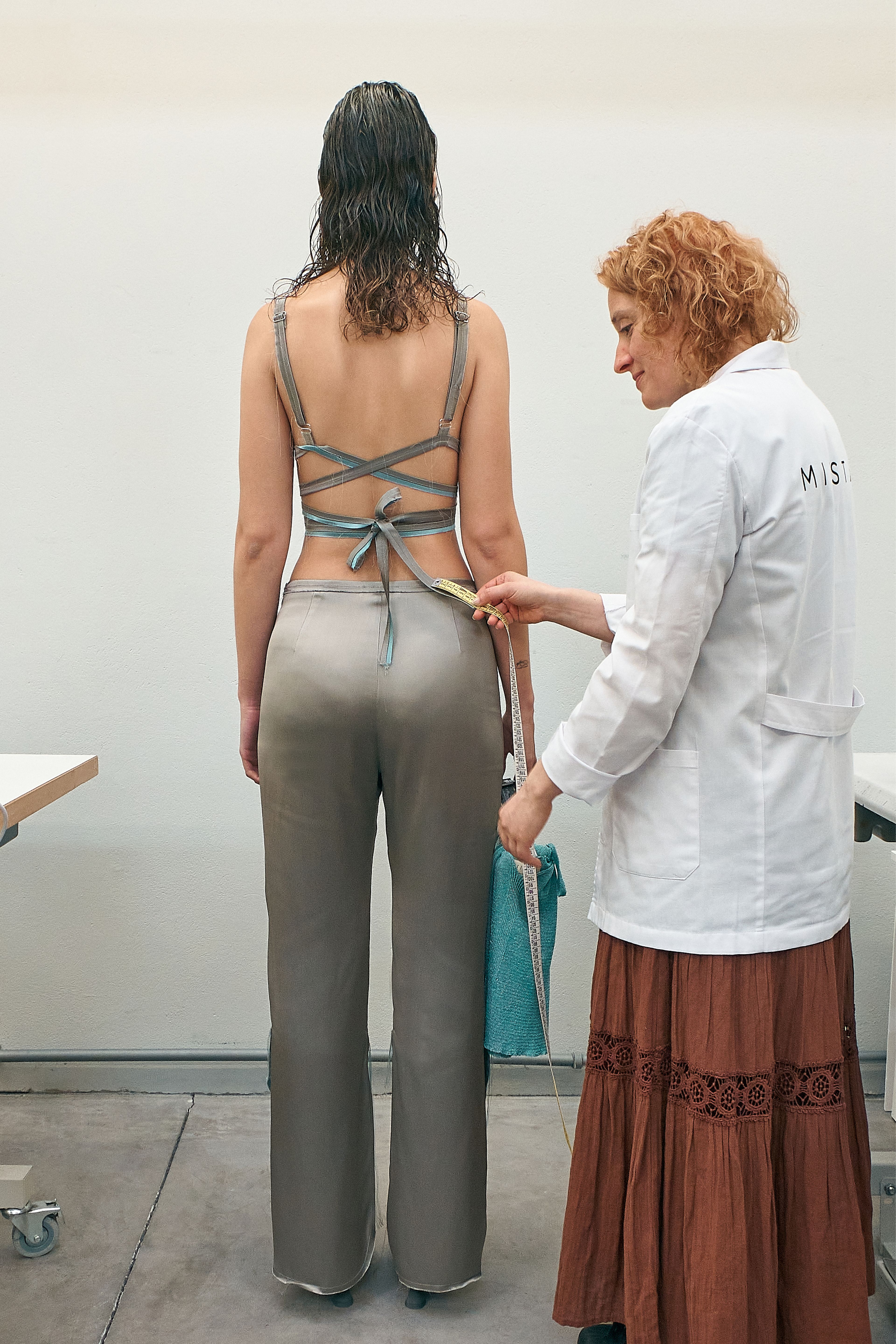
London is, and always has been, a big part of who we are as a brand. Ever since Laura moved to the city in 2001 to study Product Design for Fashion at Cordwainers (University of the Arts London), her experiences here have shaped Miista’s collections. While we are proudly handmade in Spain and Portugal, we are a London brand, always in tune with the dialogue of the city.
Always playing with opposites, we enjoy a double identity, and our teams work in synergy across these different parts of the world. To date, Laura splits her time between her home in London and Spain, where she grew up—staying close to our Spanish product team while remaining connected to our East London creative hub. Since 2018, we have had a permanent London store, our corner of the city that represents our commitment to the alternative.
LOOKING FORWARD?
The aim is to always nurture our craft, community & creativity, all while continuing our commitment to ‘The Opposite Thing’. After all, that’s what Miista is all about.
Miista remains independently owned by Laura and Pablo Villasenin. Over the years, we’ve expanded with Miista corners around the world, including stores in London, Paris, Barcelona, and most recently, New York in 2024. Throughout this growth, we’ve maintained a strong focus on product, community, and process.
Owning the process allows us to uphold our quality standards, preserve technical skill, and ensure consistency across all categories. For us, vertical integration is not just a strategy—it’s a method that gives us visibility, flexibility, and responsibility. We believe luxury is slow, human, and not about how many things you make, but how well—and by whom.
This year, we’re building a new factory in A Coruña—not to grow faster, but to stay true to the way we want to work. The region has a rich, often underappreciated history of garment-making, and we want to contribute to preserving that legacy. Our goal isn’t just production; it’s knowledge-sharing. We aim to create a space where younger generations can learn from older ones and where craftsmanship can continue to evolve.
We’re excited for this next chapter and proud to keep building it independently, with the belief that there’s still value in doing things the long way round.