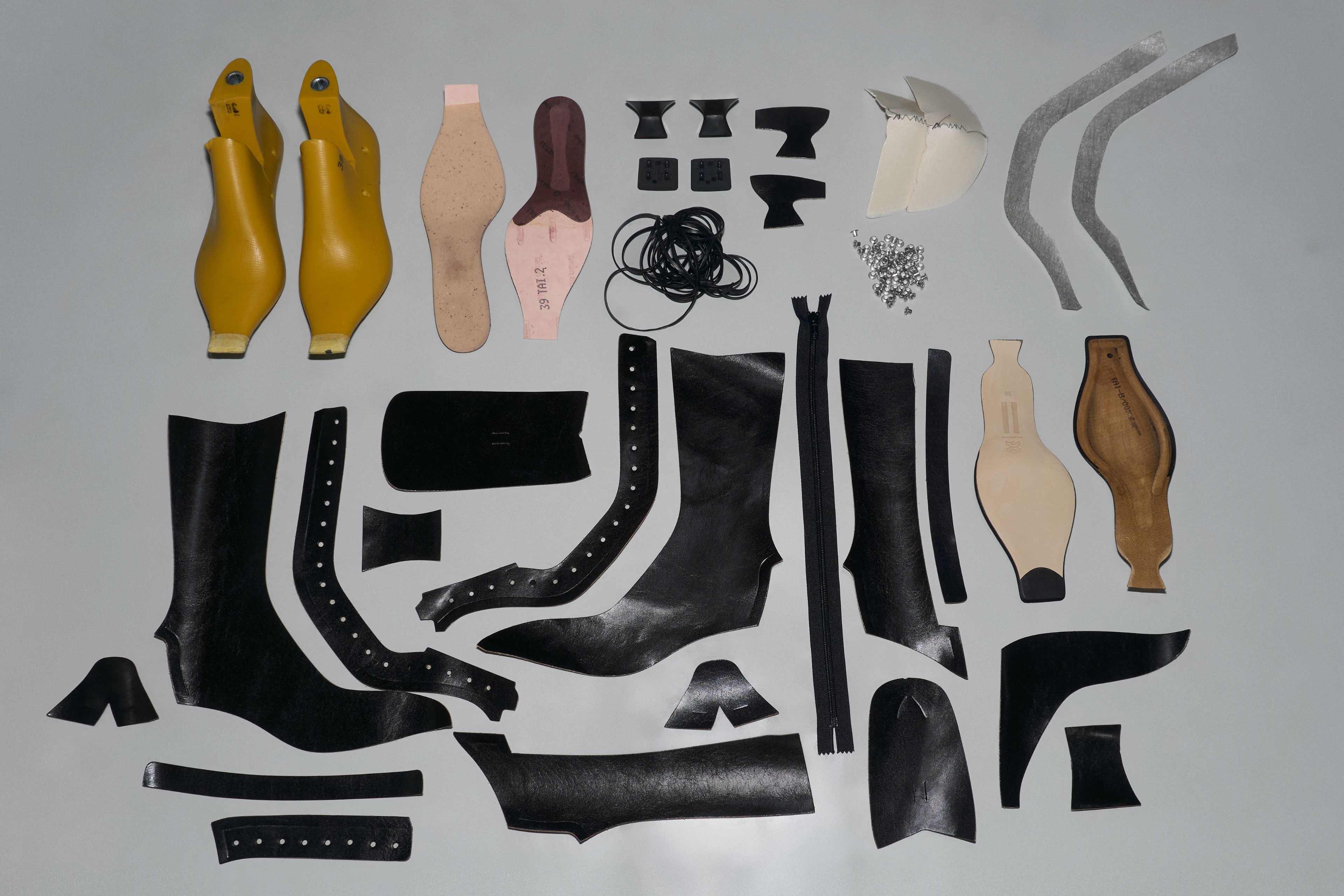
Our shoes are handcrafted in Spain and Portugal using the finest EU sourced materials. All the leathers we source and use on our pieces have unique characteristics. We think it’s important to preserve the original features of the leathers.
For example, you might notice subtle differences between products or small variations in the grain. This is the result of using natural materials and what makes each pair uniquely beautiful. They are not flaws.
In addition, some footwear is designed to have unconventional textures and detailing which could be interpreted as imperfections. This is intentional. And we think, adds to the aesthetic interest as well as visualises our ethos to craft footwear The Opposite Way.
Throughout the making of the products, our leather undergoes different treatments - coating, embossing, printing and dyeing to allow for various textures and finishes. We take pride in experimenting with the design and craft of shoemaking.
However, this means whilst our shoes are singular and well-crafted, they may also need some extra care and attention to ensure their longevity.
To help you with the best maintenance of your shoes, we’ve collated a list of product care tips straight from our factories, categorised by leather and sole types.
TYPES OF LEATHERS & MATERIALS:
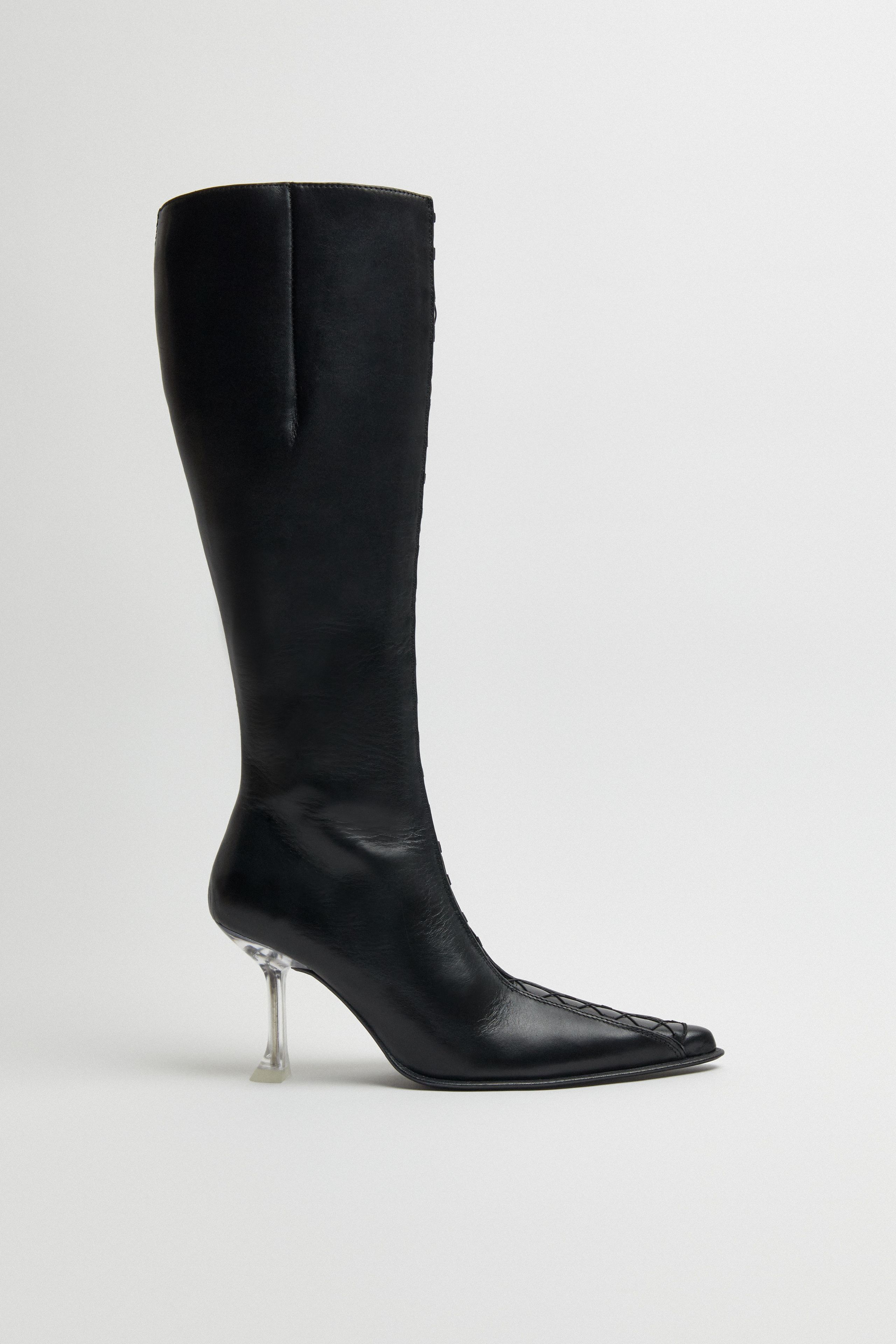
NATURAL COW LEATHER
How To Care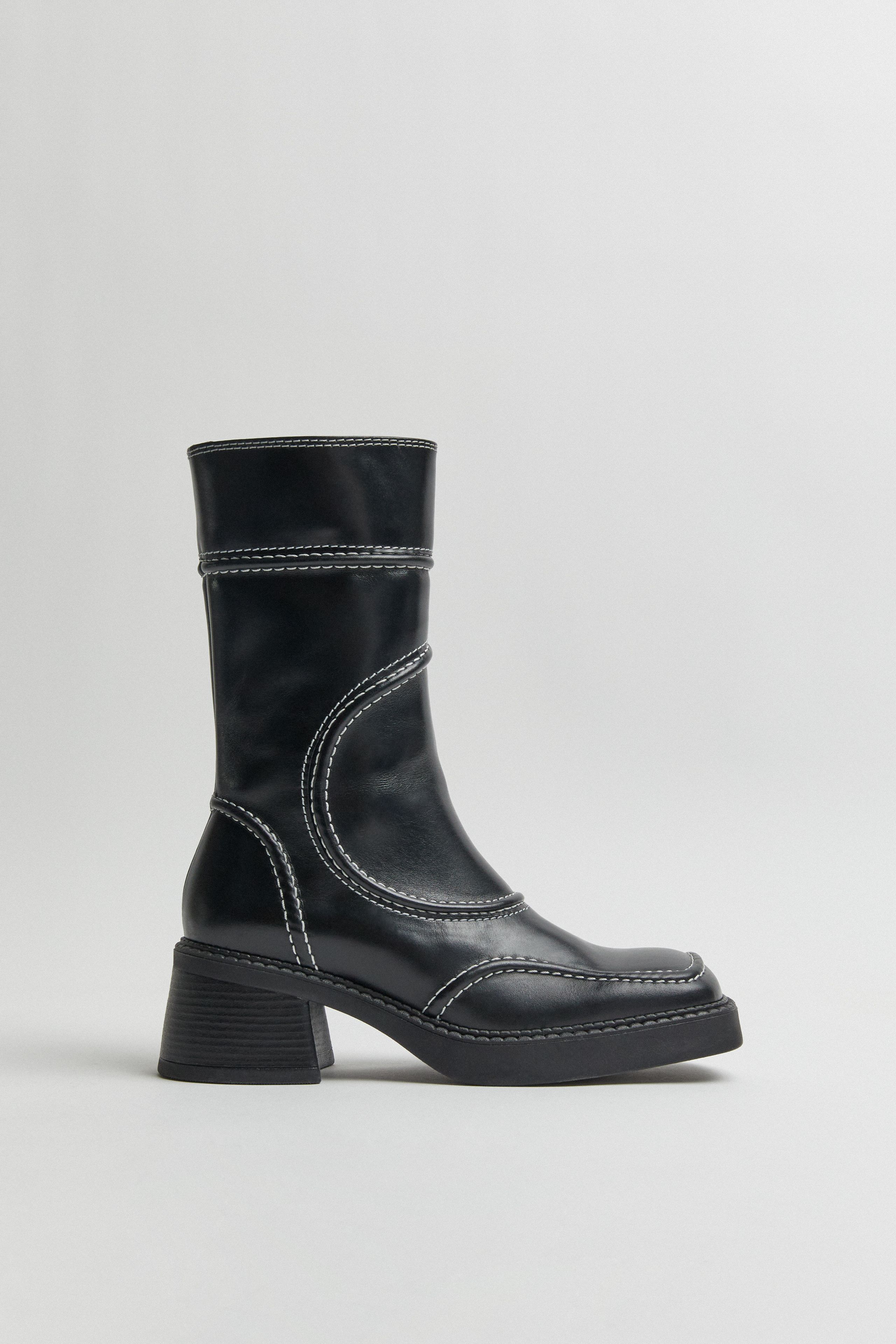
Shiny Cow Leather
How to Care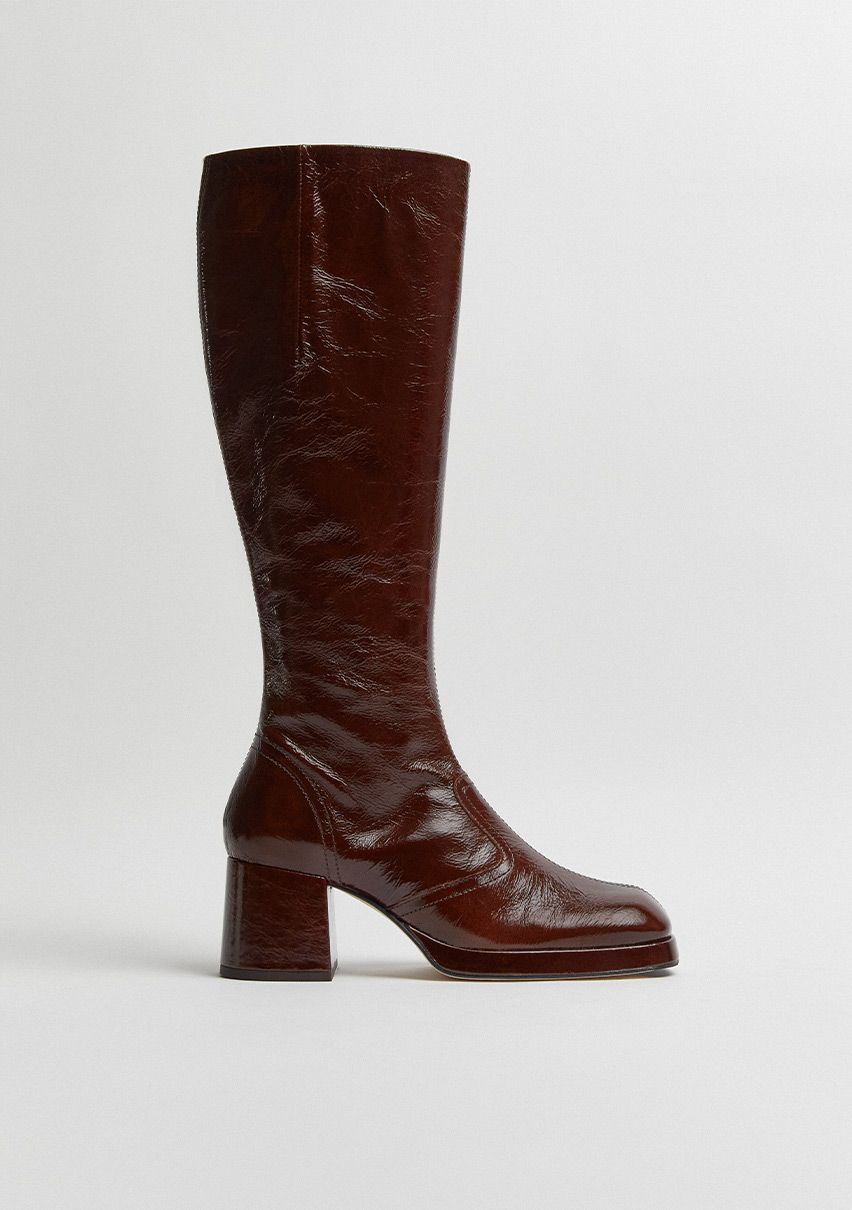
Patent Leather
HOW TO CARE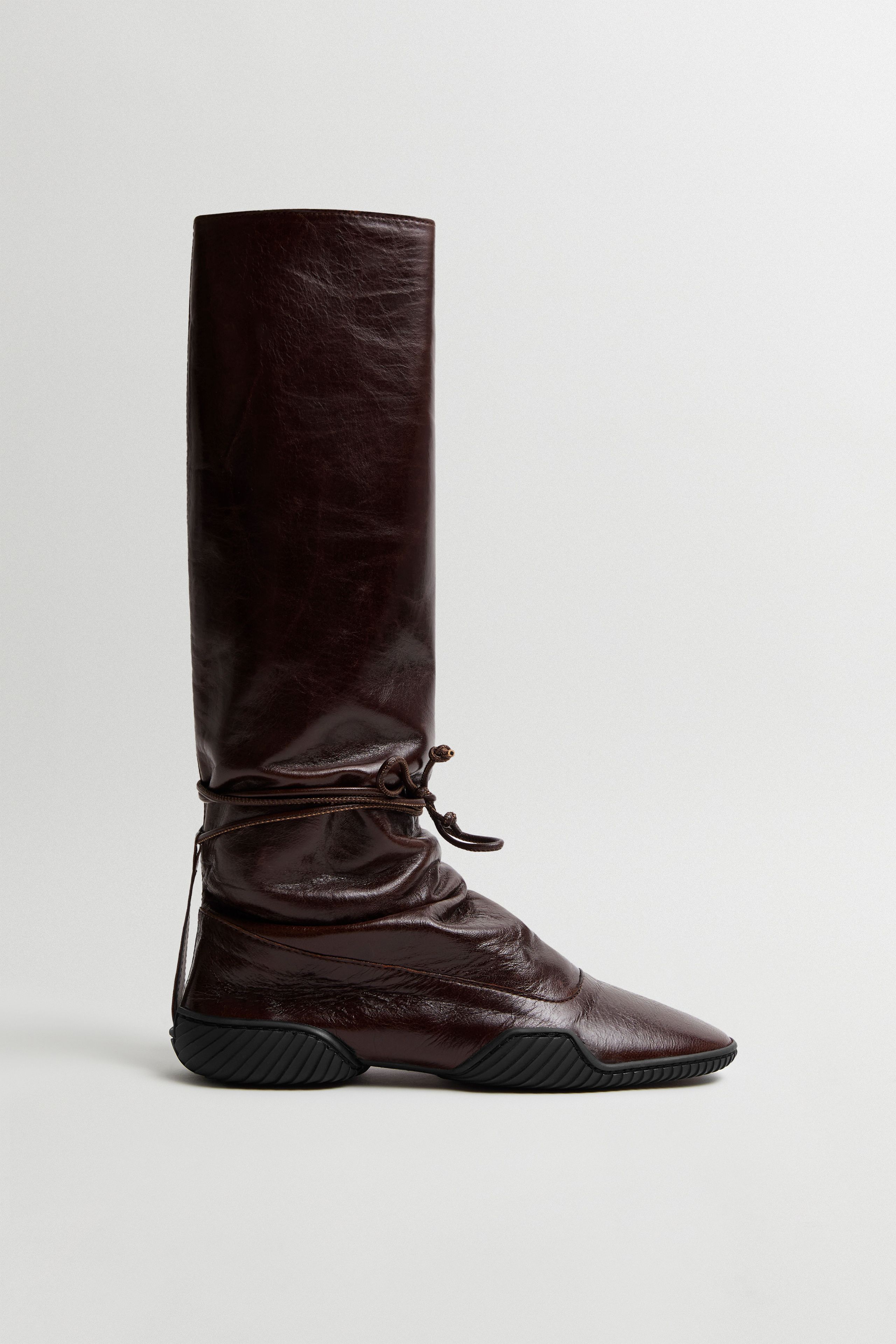
Crinkle Leather
How To Care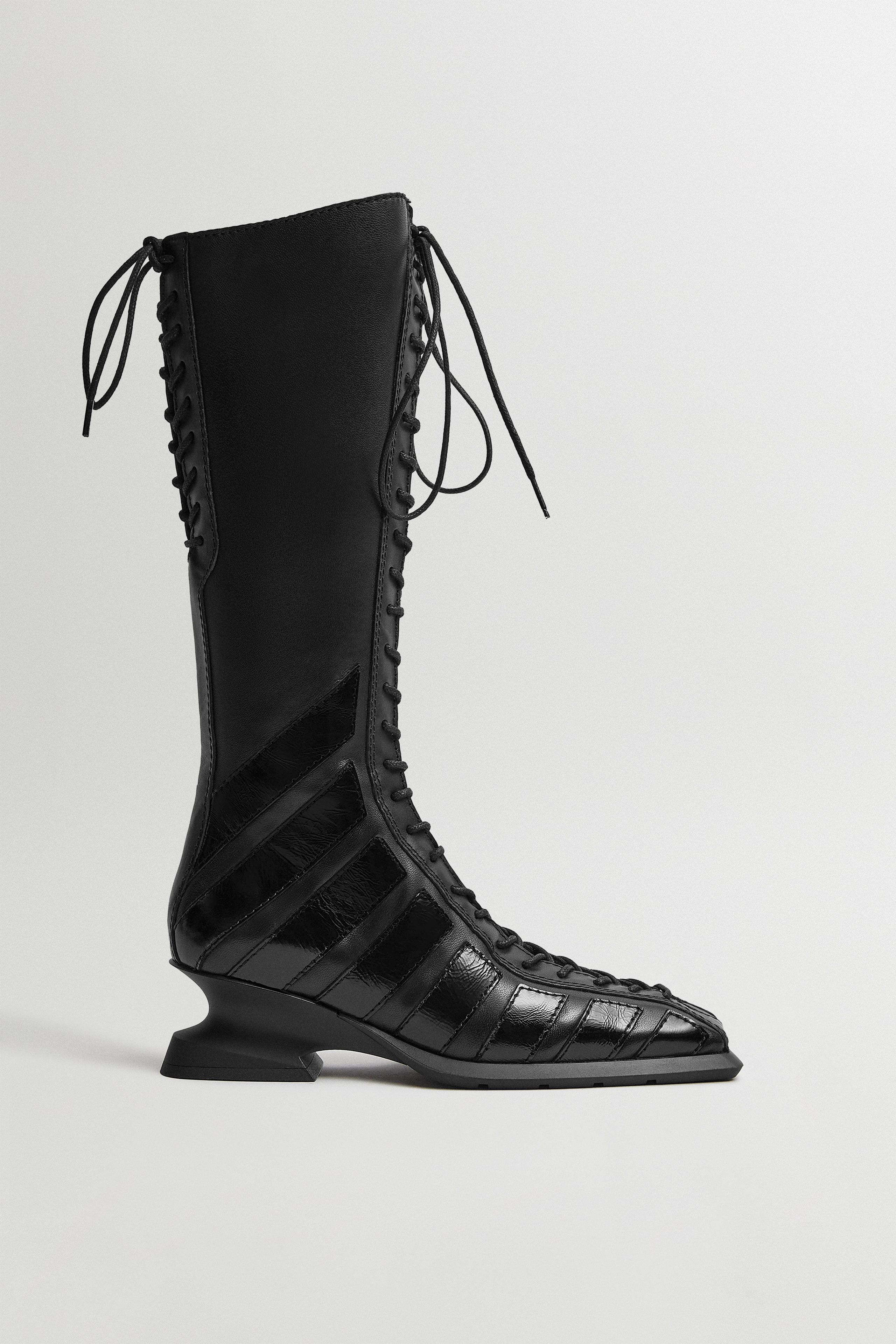
Black Nappa Leather
How To Care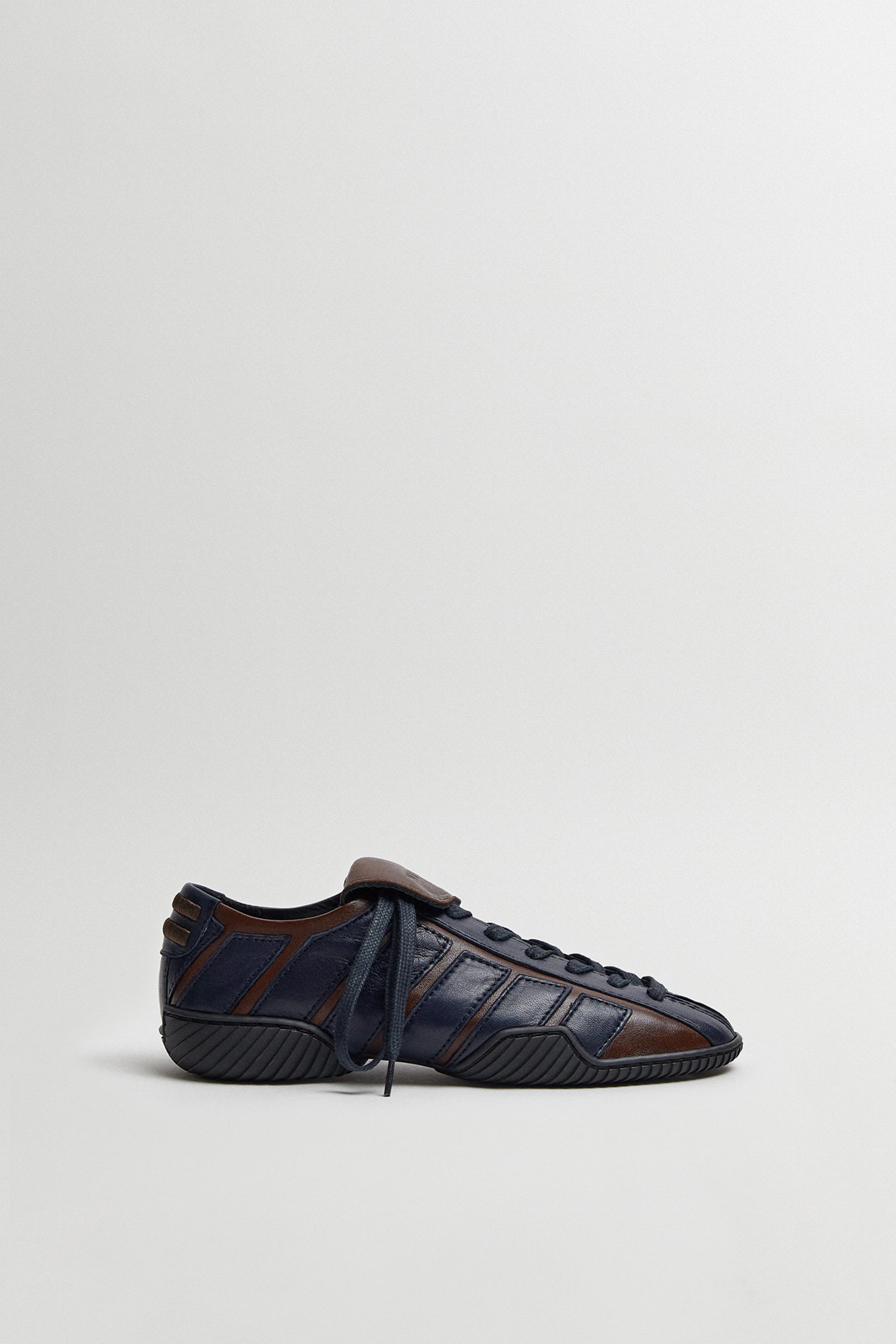
Vegetable Tan Colour Nappa Leather
HOW TO CARE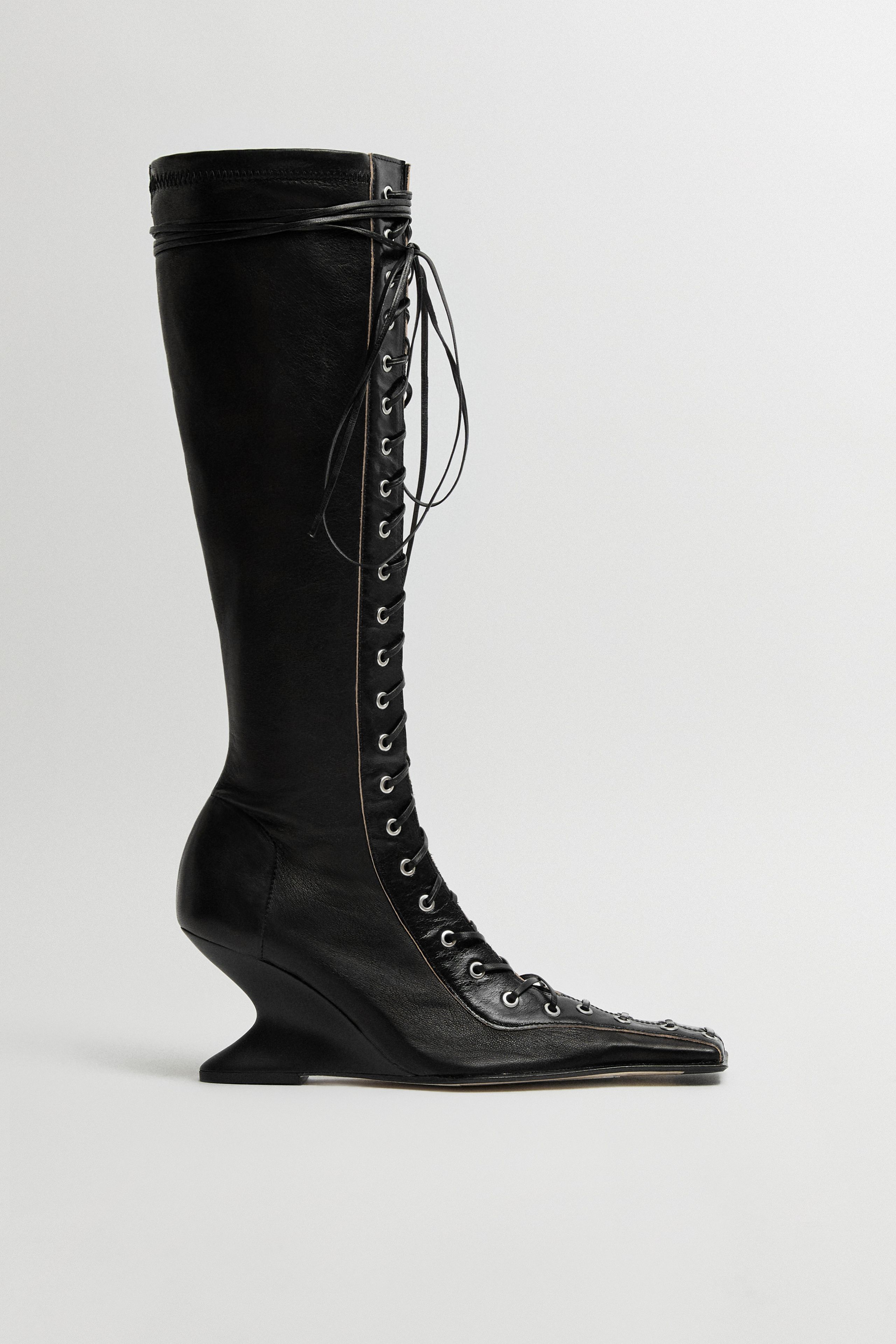
Stretch Nappa Leather
How To Care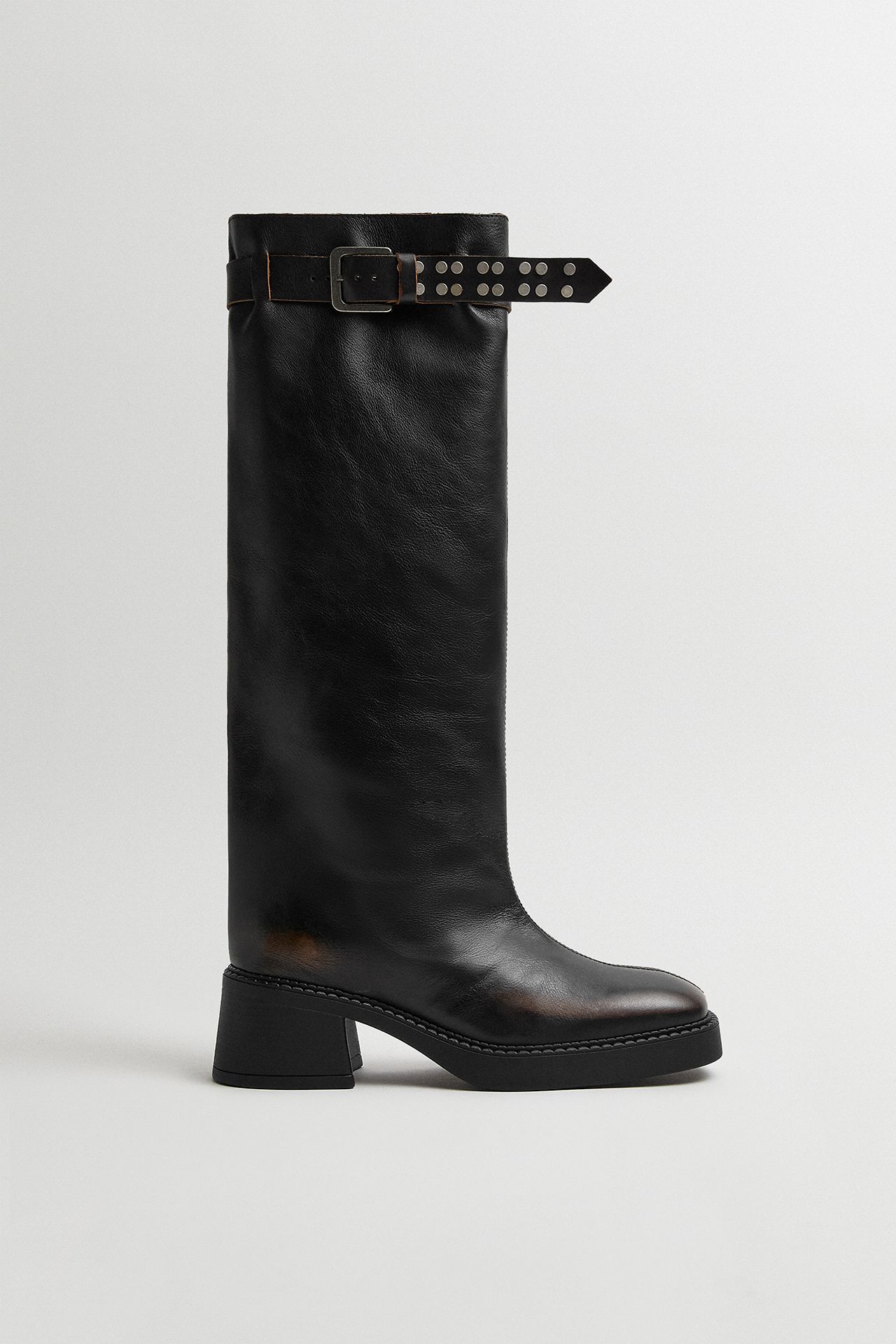
Brush-off Leather
How to Care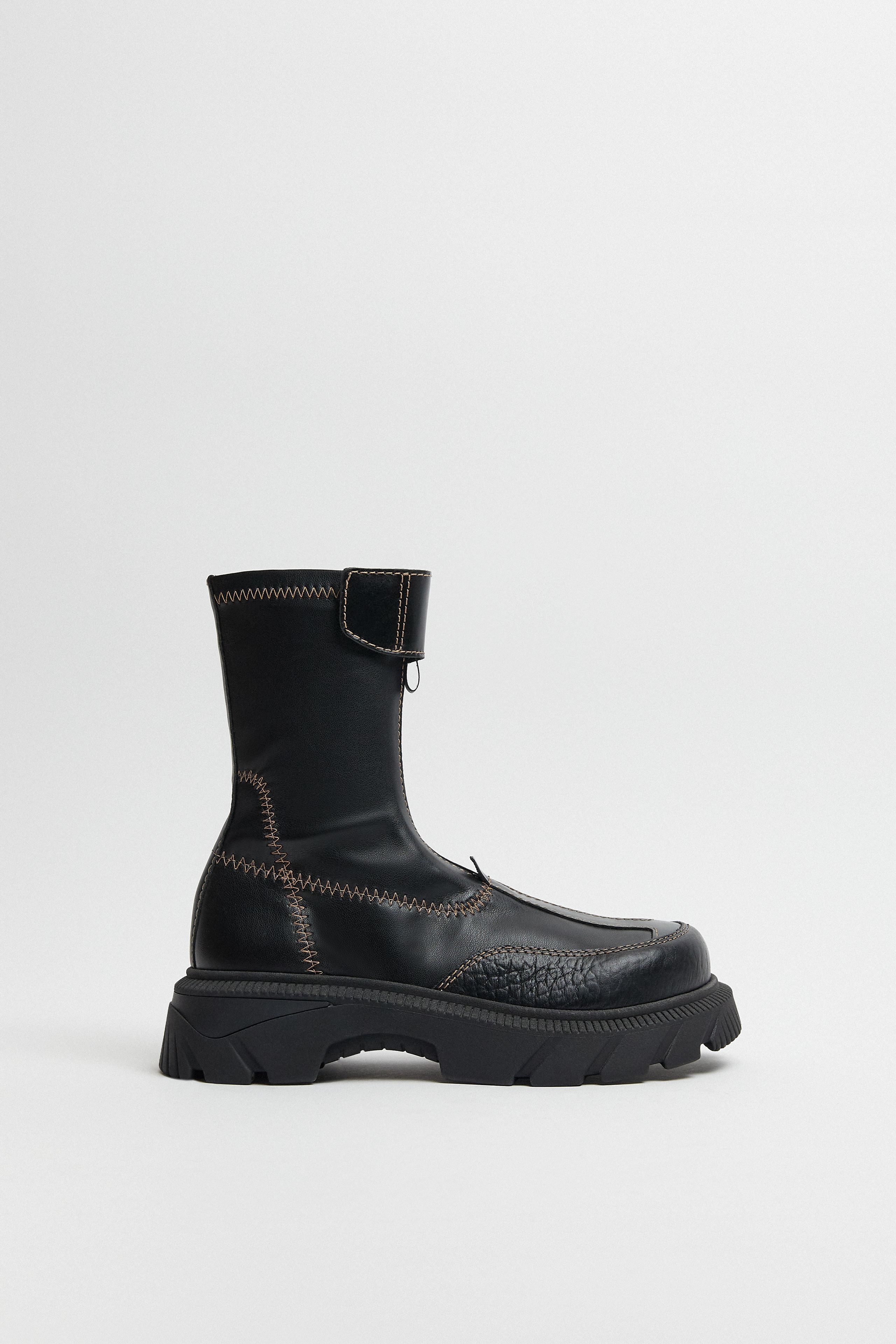
Faux Leather
How to Care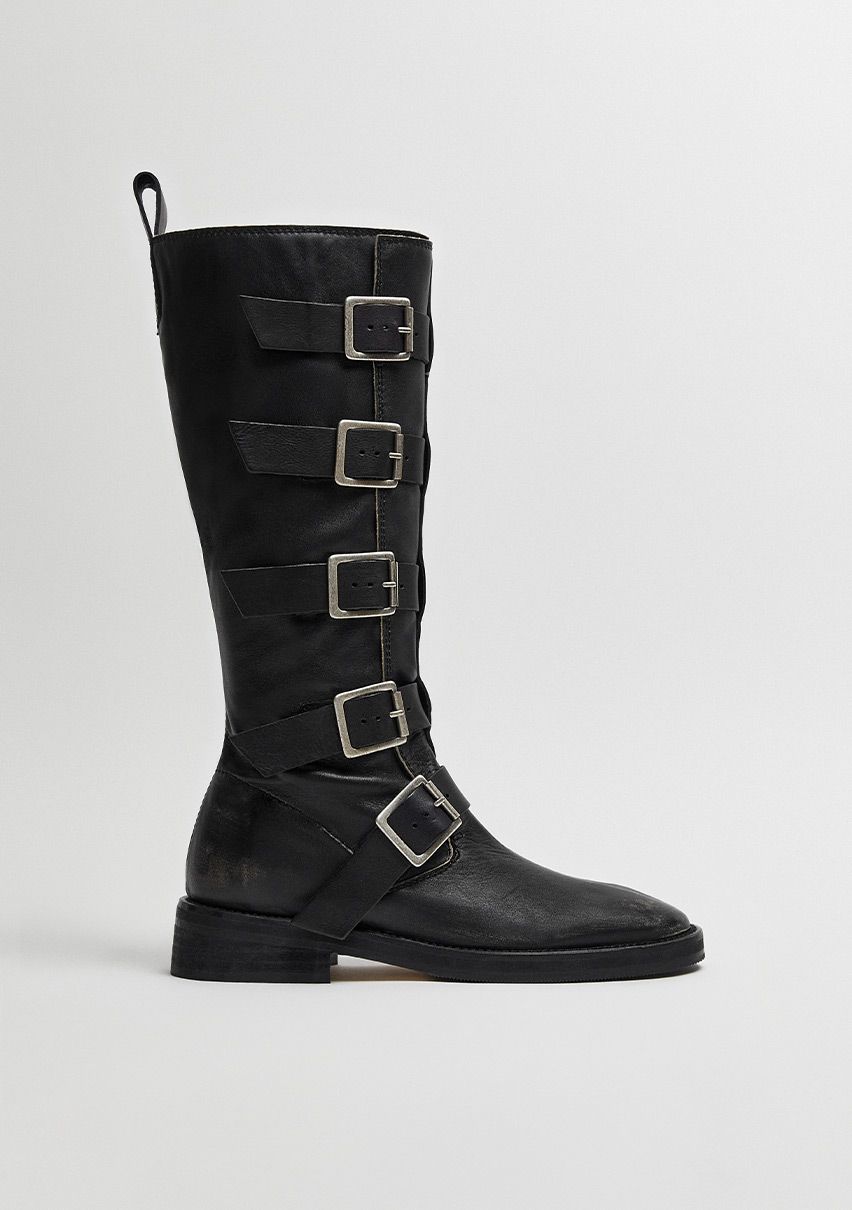
Distressed Leather
How To Care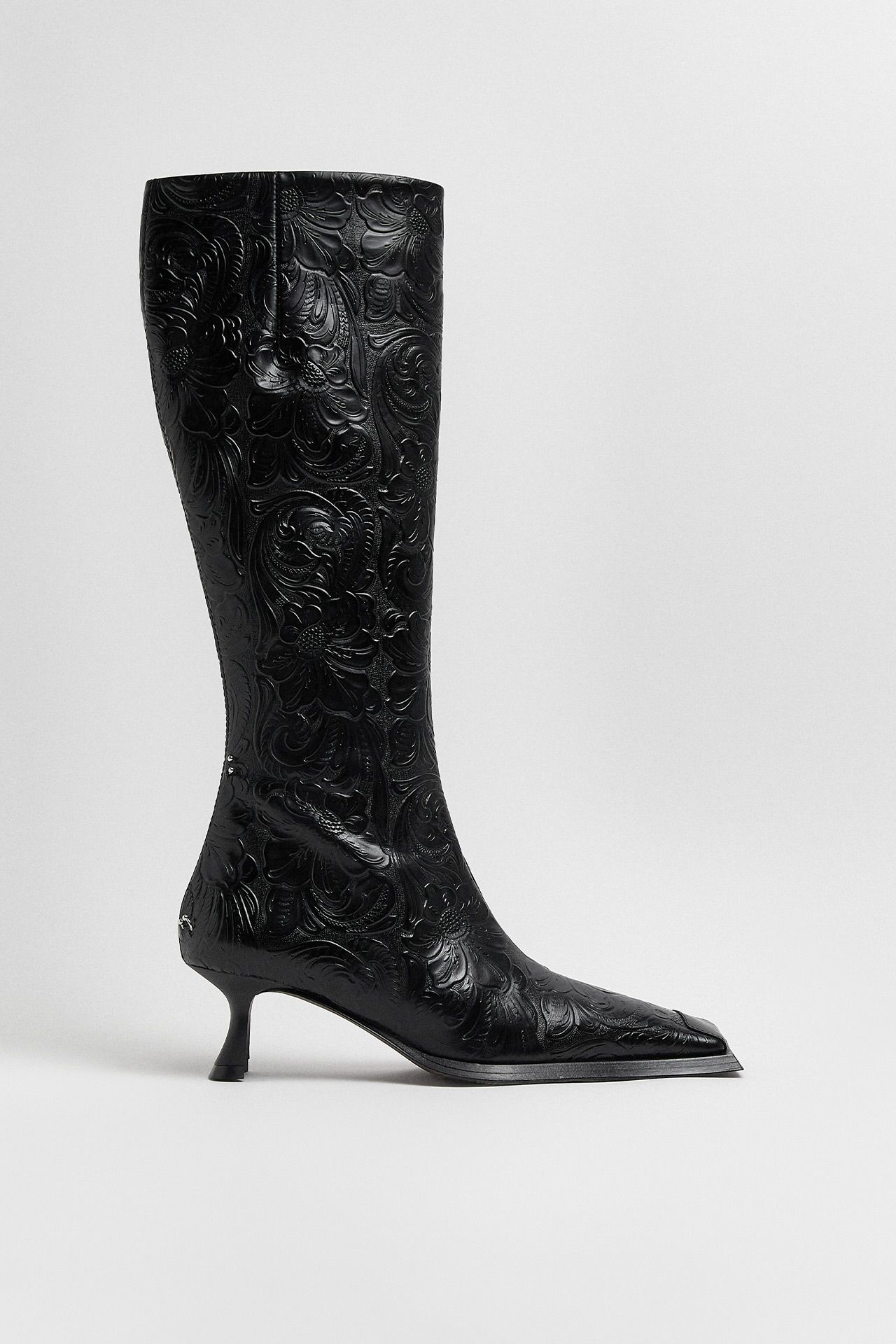
Embossed Leather
How To Care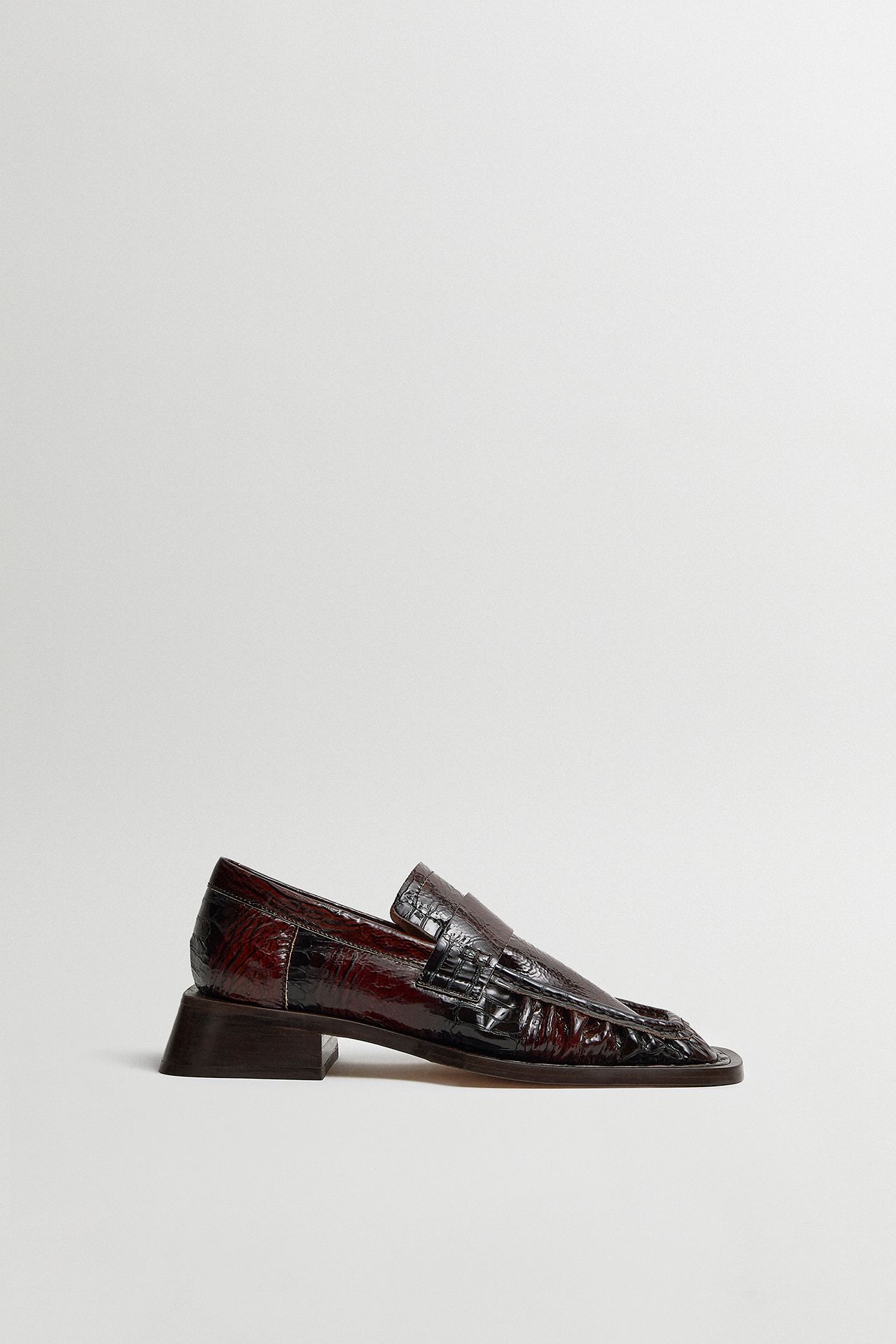
Embossed Cow Shiny Leather
How to Care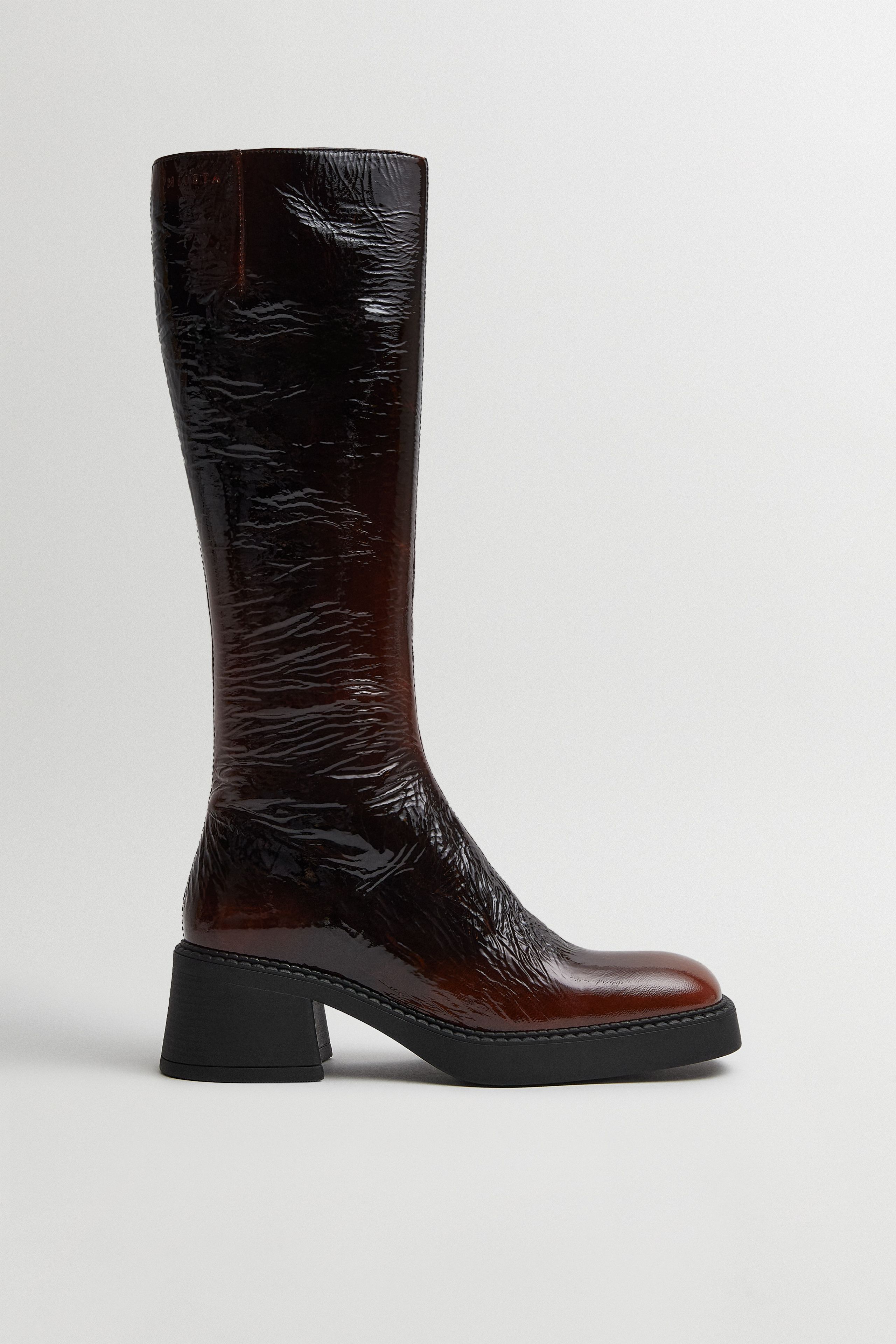
Pull-Up Oily Leather
How to Care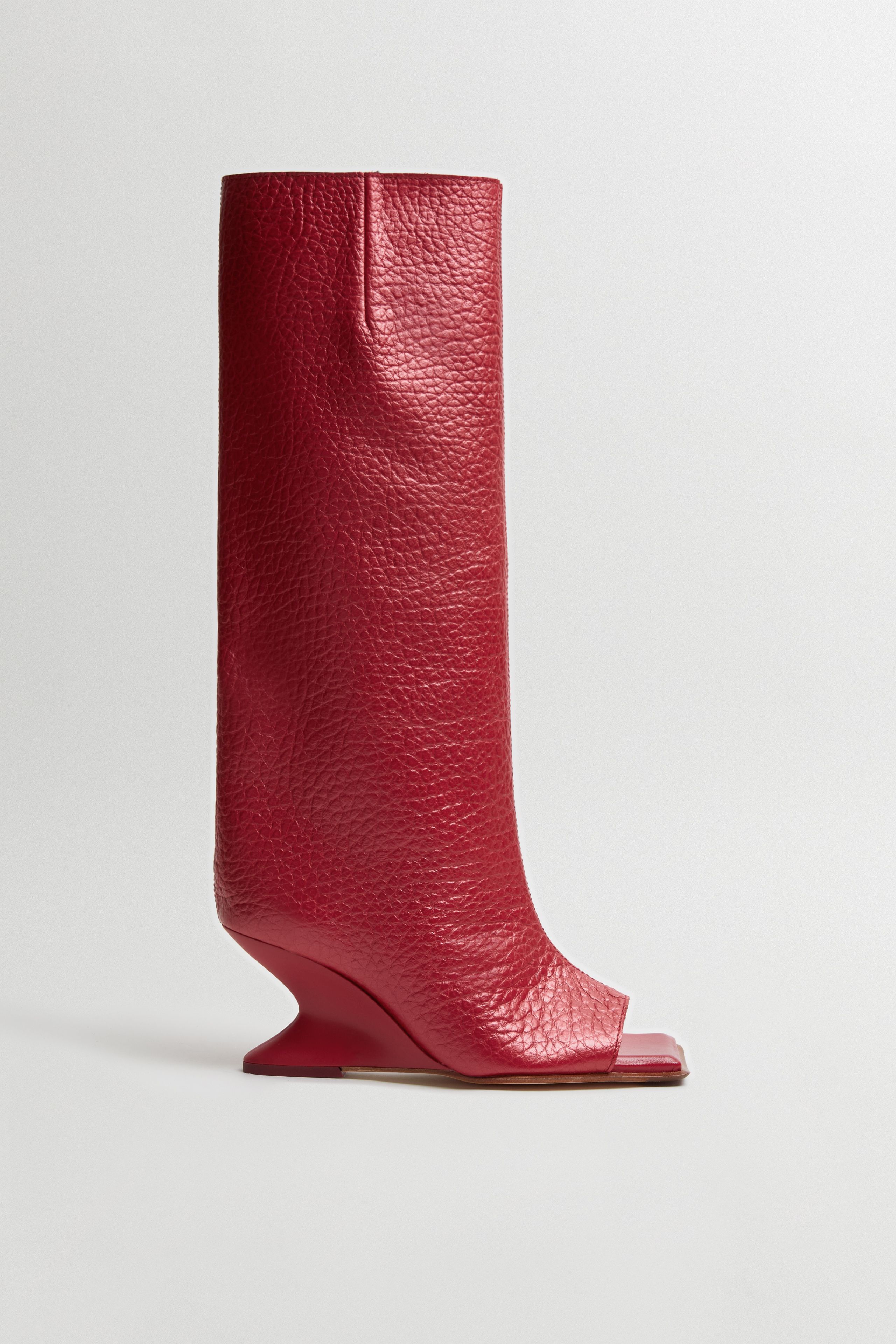
Grainy Leather
How To Care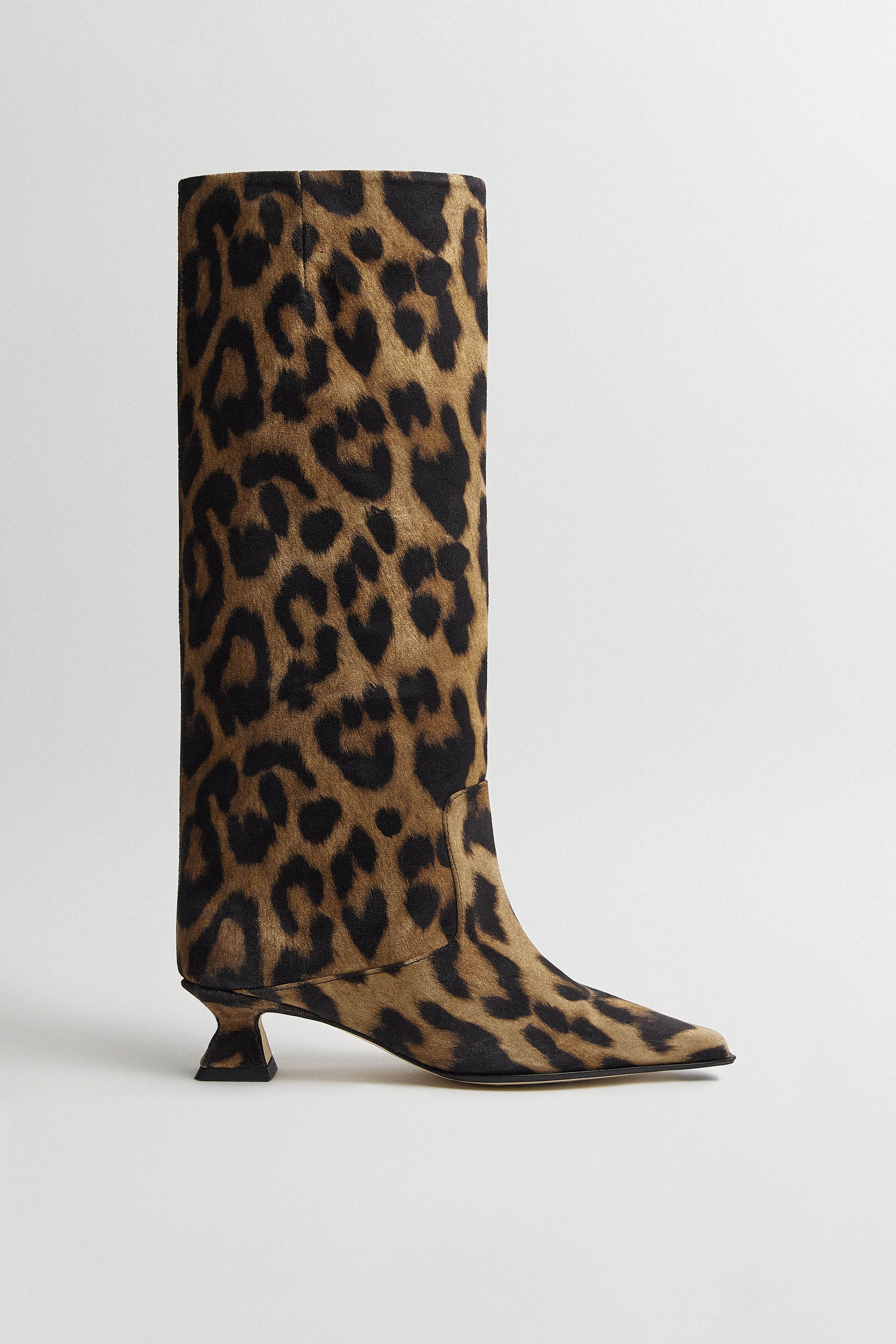
Suede Leather
How to Care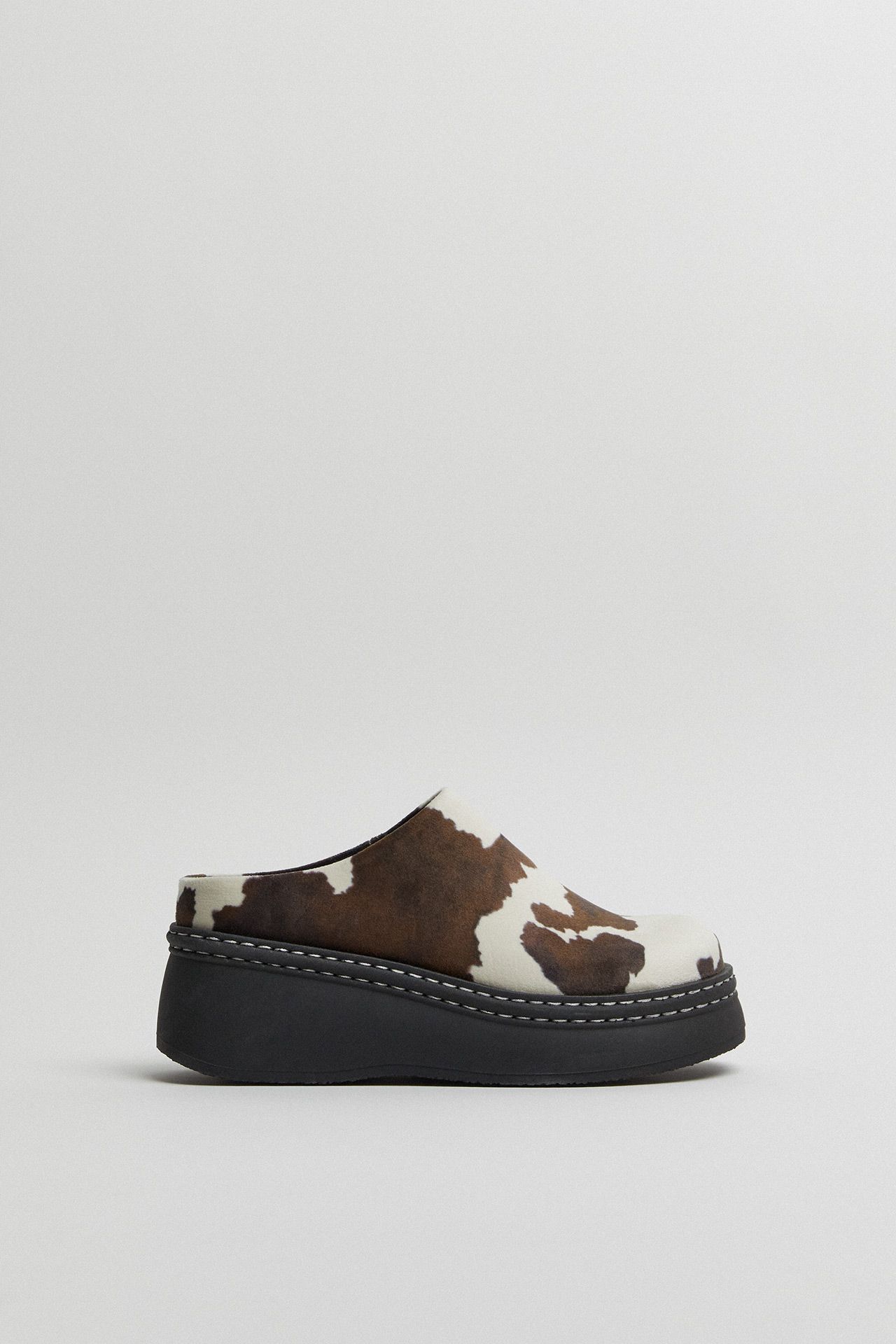
Faux Suede Leather
How To Care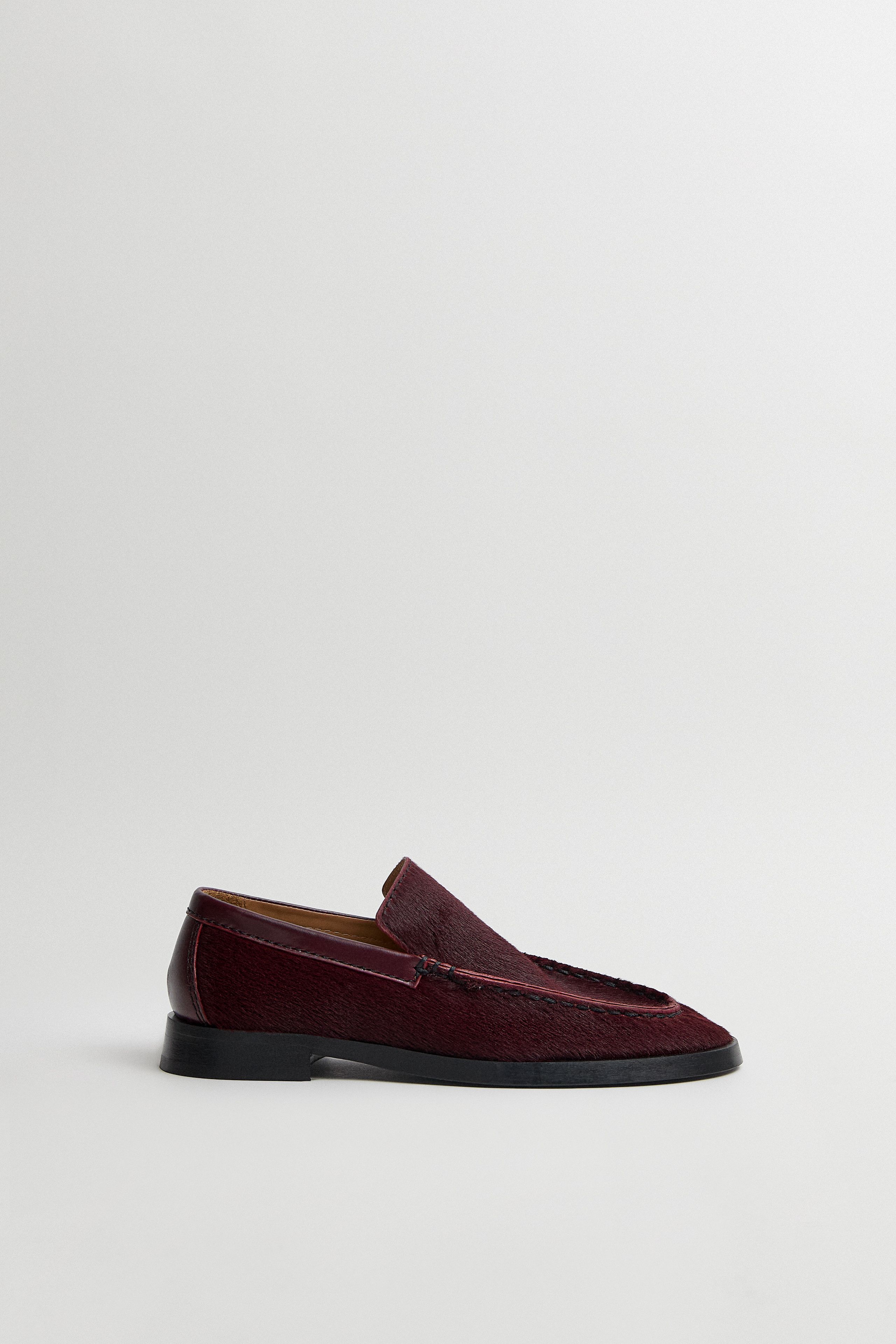
Ponyhair Leather
How to CareInsider Tips From The Factories
1. HEEL CAPS
Heel caps endure constant impact and unfortunately can sometimes jump out of their ‘socket’ that's why we include a spare pair of heel caps in the original design and colour, with every pair of Miista shoes that have heel caps.
To replace the original heel caps: Either click them back into place yourself or take them to a local cobbler where they can also apply a light adhesive to prevent the caps from coming out again.
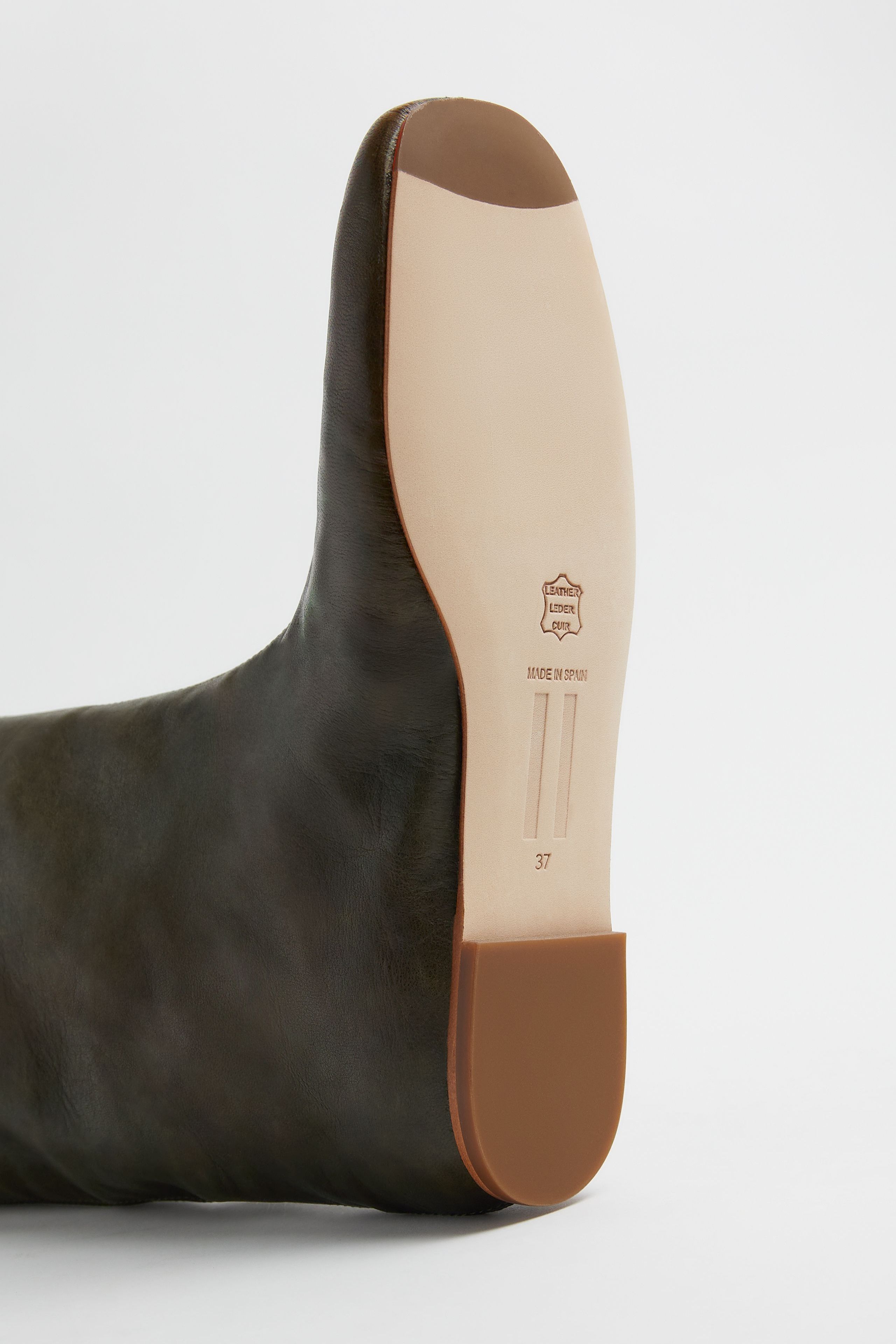
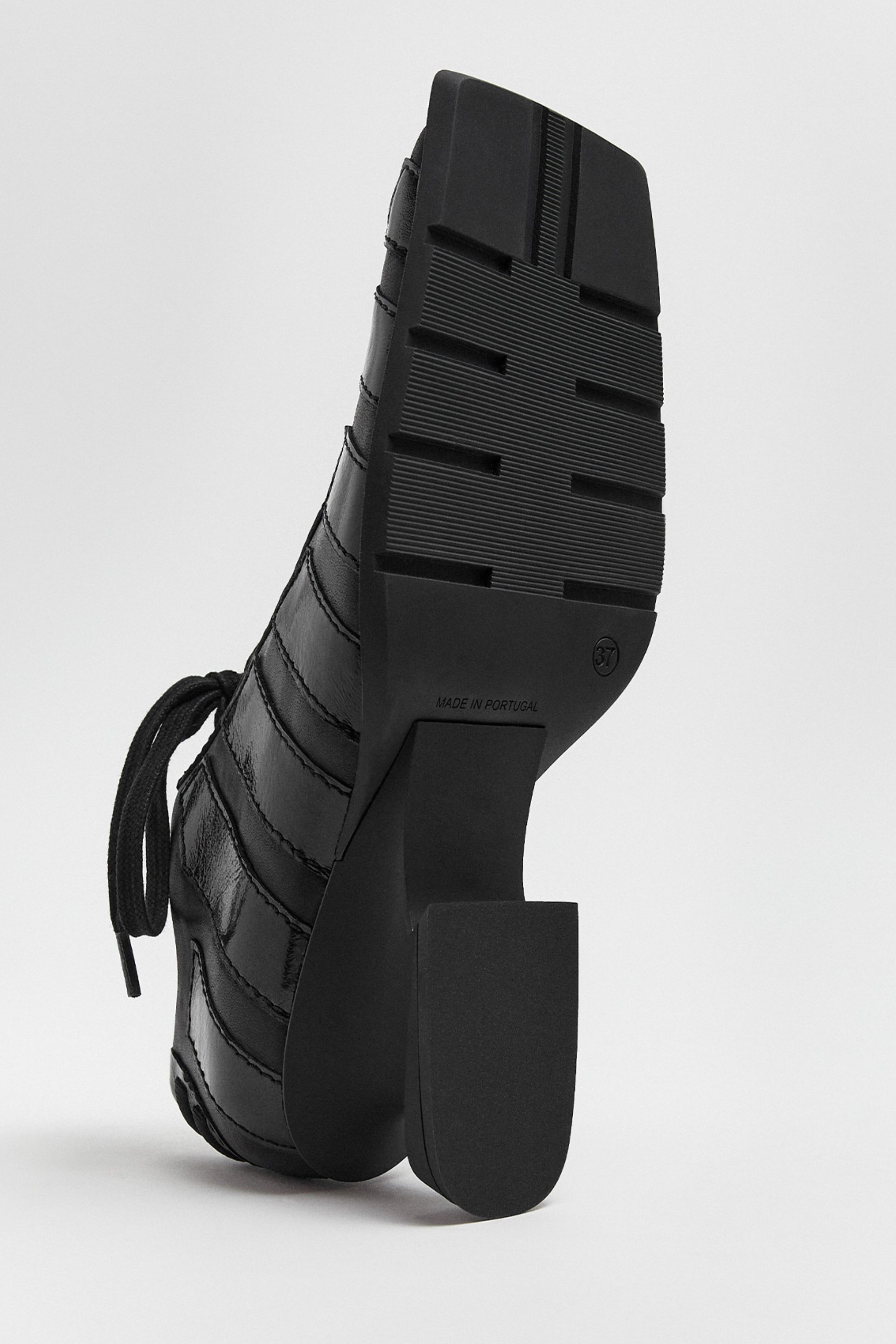
2. Leather Soles
We use leather soles because leather naturally regulates temperature and airflow and moulds to the shape of your foot over time. To add extra grip to the soles, each leather sole includes a rubber-invected toe cap.
All our Miista leather soles are covered with a protective adhesive layer as they leave the factory which must be removed before your first wear outside. If it’s not removed, the layer will eventually damage the sole.
For best aftercare and to increase the product's lifespan, we recommend, after a few months of wearing and if you live in a wet environment, taking your shoes to a trusted cobbler to add a thin rubber protective sole. This will help preserve the leather whilst keeping the original shape intact.
3. Leather is not waterproof
It’s a common misconception that leather is waterproof. It can be water resistant, but generally, leather does not react well to being worn in very wet conditions.
As stated above, throughout the making of the products, our leather undergoes different treatments to allow for varying textures and finishes.
So, a patent finish, for example, is not waterproof. It's the opposite. If your shoes get wet, the water will seep into the leather under the patent coating and leave a mark. Our advice is to protect your shoes like you protect your hair from the rain.
TYPES OF SOLES:
Insider Tips From The Factories
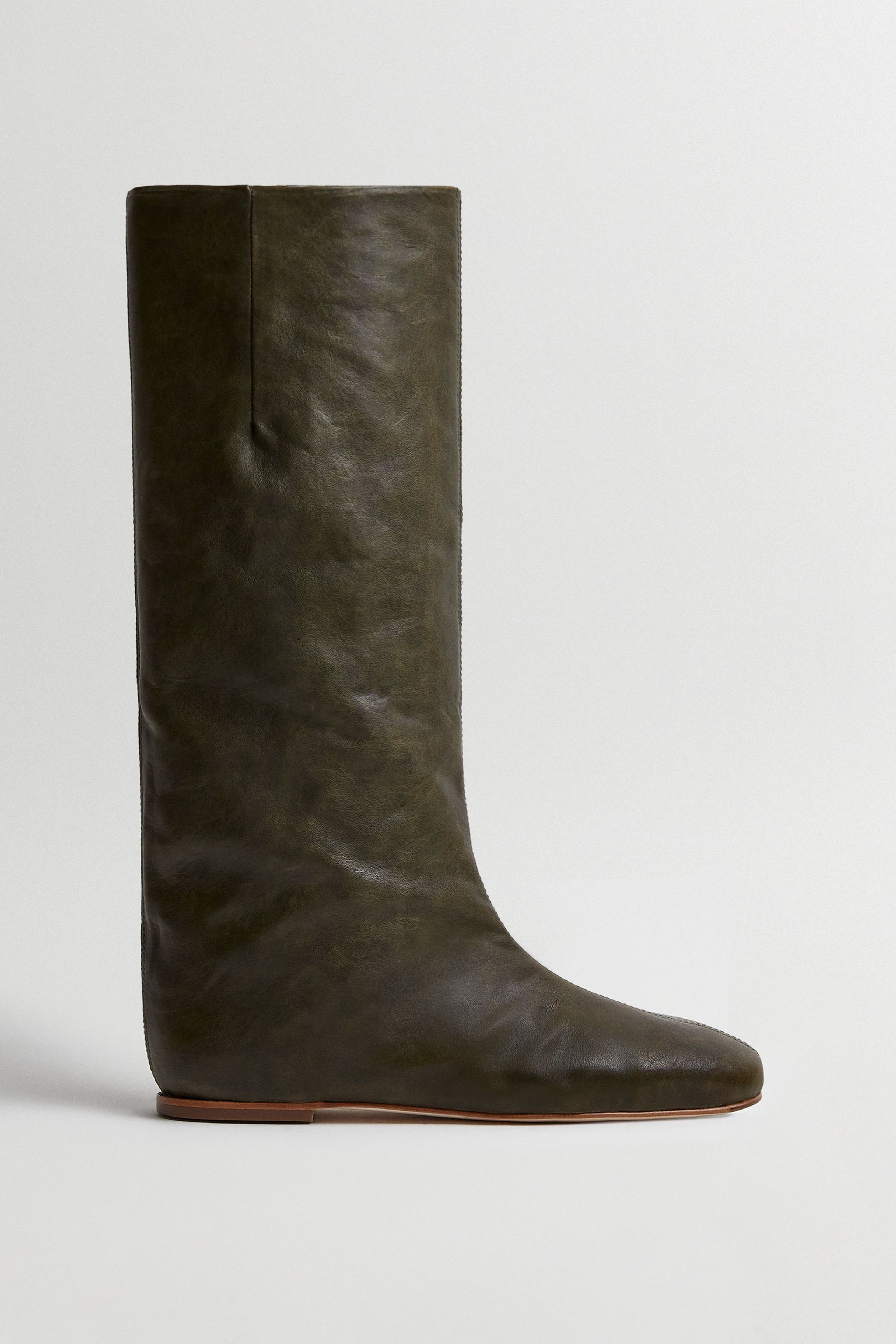
4. Stretch Leather
We specifically make our shoes with natural premium leathers that over time softens and can be stretched a few centimetres if taken to a cobbler. Especially around the calves and ankles which creates a fit that tailored to the wearer.
5. Metal Zippers
The metal zippers that we use on our shoes may appear tough, but they do need to be handled with care. We’d recommend a certain approach for zipping and unzipping boots:
If the zip is located at the back of the boot, zip up when you are standing. This keeps the leg and zip straight. You don’t need to be standing for zips on the inside leg.
If the zip gets stuck, rub a graphite pencil on the zipper this often helps it move again.
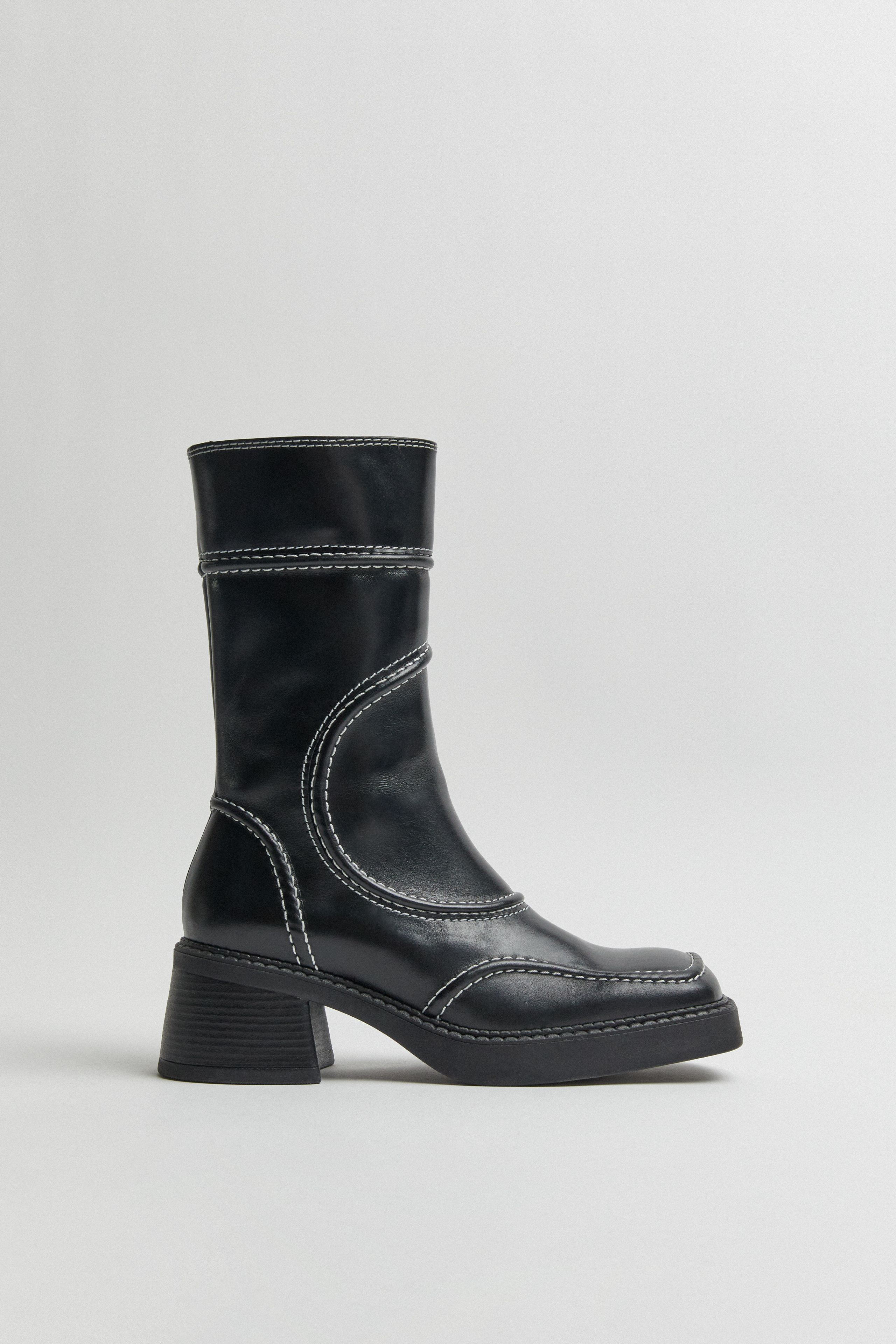
6. Maintaining the Shoe Shape
To preserve the shape of your boots, please put them on while seated and the shaft is straight. These boots have a heel-back-counter which is particularly high to hold its uniquely straight back shape.
We recommend avoiding stepping on it, which can happen while putting your boot on standing. Therefore, it's always better to do it sitting.
Any further questions, please email: customercare@miista.com